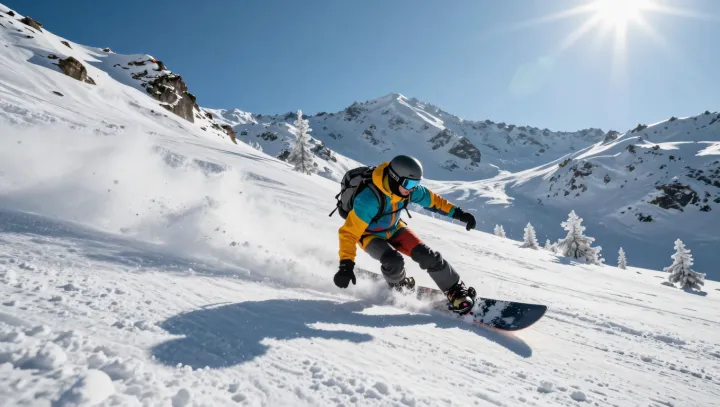
The most dangerous phase of a ski trip often unfolds far from any mountain: the three weeks before your first run. In that window, sports doctors now focus less on helmets and body armor and more on how your muscles fire, fatigue and stabilize when you suddenly meet uneven snow or an unexpected edge catch.
Clinicians describe this as a problem of neuromuscular control and proprioception rather than simple impact protection. Ligaments such as the anterior cruciate ligament fail not just from force, but from delayed motor response and poor joint alignment under load. Targeted prehabilitation programs train eccentric quadriceps strength, hamstring co‑contraction and core stability, improving reaction time and joint kinematics so that many dangerous twists never reach the threshold that causes tissue rupture.
Protective gear mainly manages energy transfer after a fall through principles of impulse and momentum, reducing skull fracture but doing little to correct the faulty movement patterns that trigger most knee and shoulder injuries. By contrast, structured balance drills, plyometrics and strength circuits change baseline motor patterns and raise the tolerance of tendons, cartilage and muscle to sudden torque. For sports physicians, injury season starts when an unprepared body books a lift pass, not when skis touch the snow.