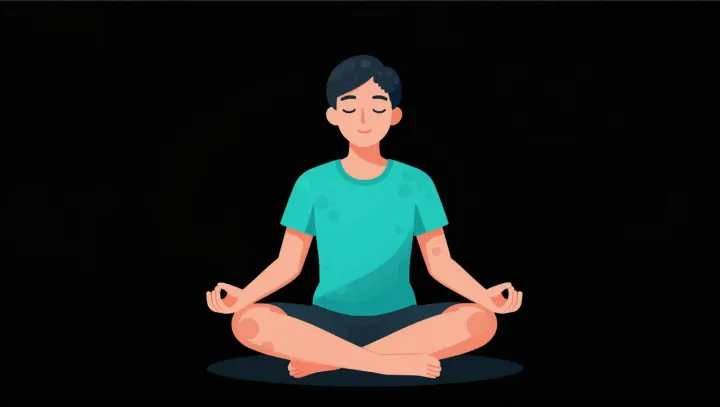
A slow, floor-based yoga session can lower key stress hormones as much as a brisk walk, even when the body barely seems to move. The visible stillness hides a cascade of internal adjustments across the nervous, endocrine and respiratory systems.
The core mechanism sits in the autonomic nervous system, which oscillates between sympathetic arousal and parasympathetic recovery. Long, controlled exhalations and sustained floor poses increase parasympathetic outflow via the vagus nerve, raising heart rate variability and shifting baroreceptor feedback. That shift tells the hypothalamus to dial down the hypothalamic pituitary adrenal axis, which reduces secretion of adrenocorticotropic hormone and, downstream, cortisol. Measured in saliva or blood, the drop in cortisol can mirror what is seen after moderate aerobic exercise.
Brisk walking tends to burn more calories and elevate cardiac output, but both practices modulate the same stress circuitry. In floor-based yoga, the leverage is mental load rather than metabolic load: attention to interoception, slow diaphragmatic breathing and predictable posture sequences reduces amygdala activation and tones down the sympathetic fight or flight response. For people whose joints, fitness level or pain thresholds limit movement, this internal rerouting of neural and hormonal traffic offers a way to access comparable reductions in stress biology without the visible exertion of a workout.
The scene may look like a quiet room and almost motionless bodies on mats, yet inside, hormones, neurons and cardiac rhythms are busy renegotiating what it means to be at rest.