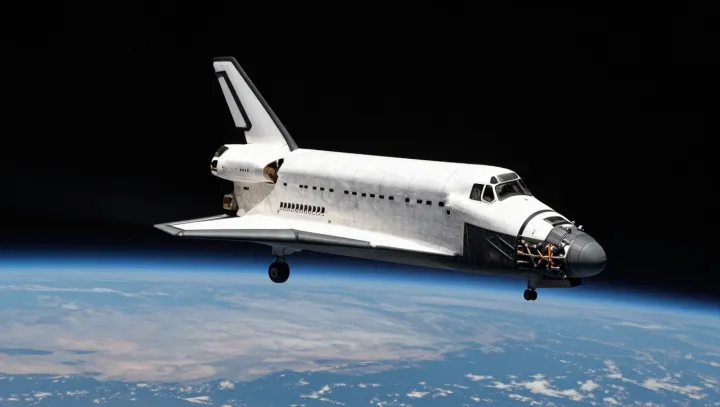
A fireball in the upper atmosphere looks like destruction, yet for a returning crew capsule it is the only workable brake. At hypersonic speed, air compresses into a shock layer, heating to more than 1,600°C while the structure behind it remains survivable.
The key is a blunt body and an ablative heat shield. Compression and viscous heating dump energy into a thin plasma sheath instead of deep into the vehicle. The shield chars, melts and peels away, carrying enthalpy with it. Underneath, insulation, thermal conductivity limits and structural margins keep pressure hull temperatures within design constraints.
Trajectory design does the next part of the work. By flying a shallow reentry corridor and using attitude control thrusters to trim angle of attack, flight controllers stretch deceleration over many minutes. Drag converts kinetic energy into heat higher in the atmosphere, reducing peak g‑loads and dynamic pressure on the capsule.
Parachutes stay packed until the air is dense enough and the velocity low enough to avoid structural overload. Before that, small thrusters and, on some vehicles, deployable drogue devices manage orientation and stability. By the time the main canopies finally open, most of the violent physics has already been spent in the invisible plasma around the heat shield.