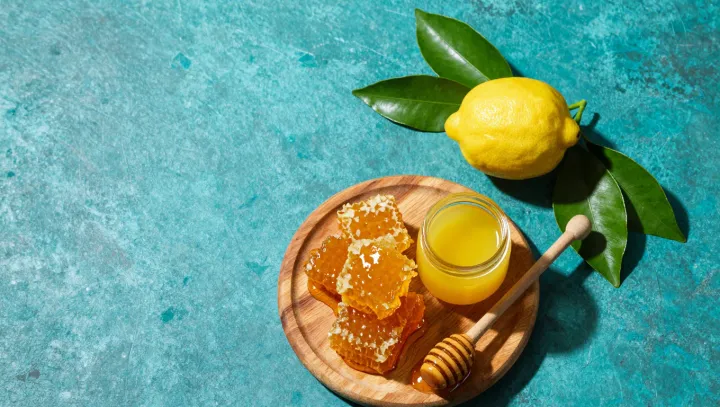
Honey sits on the shelf like a glitch in food decay, still stable while most fresh foods race toward spoilage. That same spoonful once sealed wounds on skin; now it protects sauces, snacks and drinks in controlled trials and pilot plants.
Modern food science breaks honey’s staying power into measurable levers. Its low water activity locks most microbes into metabolic standby, while its pH tilts conditions away from bacterial growth. Enzymatic production of hydrogen peroxide, alongside methylglyoxal and other polyphenols, adds a layered antimicrobial effect that behaves like a biochemical firewall rather than a single magic bullet.
Under lab protocols, honey becomes a modular ingredient rather than kitchen folklore. Formulators tune its concentration to slow microbial growth curves, test minimum inhibitory concentration against common spoilage organisms, and model how its sugars and viscosity affect osmotic pressure. Instead of just drizzling it on bread, researchers fold it into marinades, cereal bars and beverages, looking to extend shelf life without synthetic preservatives while tracking sensory impact and regulatory limits.
The result is a quiet pivot: a product once smeared on open flesh now slips into ingredient lists as a multi-function tool for sweetness, texture and microbial control, redefining how long the foods around it are allowed to last.