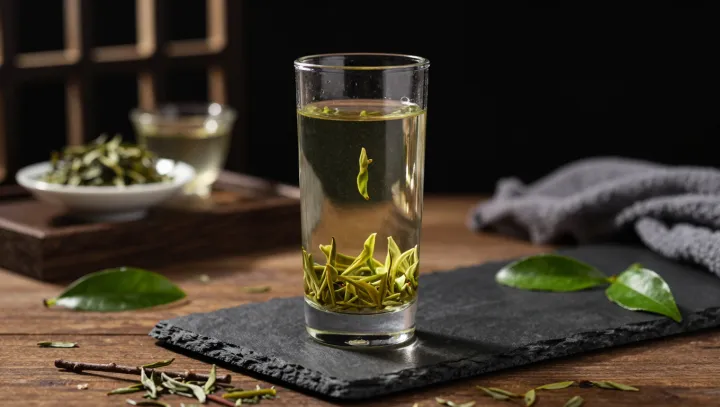
A cup of hot tea can cool the body more effectively in summer than an equally cold drink when evaporation is allowed to do its work. The liquid briefly raises core temperature, which prompts the thermoregulation system to respond more aggressively than it would after a chilled beverage.
That small rise in core temperature activates more sweat glands and increases sweat rate. When sweat evaporates, it removes latent heat from the skin surface, a process that can exceed the heat originally delivered by the tea. By contrast, a cold drink cools the stomach and blood locally, which can transiently reduce sweating and slightly narrow blood vessels at the skin, limiting convective and evaporative heat loss.
The key variables are ambient humidity, airflow, and clothing. In dry, moving air, enhanced evaporation driven by hot tea creates a net heat loss for the whole body. In still or humid conditions, however, sweat cannot evaporate efficiently, so the extra heat from the drink remains trapped.