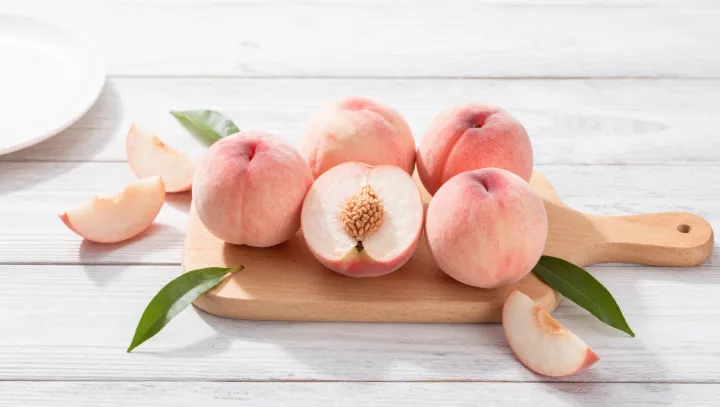
Sunlit orchards loaded with peaches now sit at the center of a broader realignment in how people eat, trade and talk about food. Once treated as a fleeting seasonal treat, the fruit is being recast as a year‑round, premium item that links local farms, refrigerated logistics networks and global retailers in a single narrative of freshness and wellness.
As demand rises, growers are experimenting with denser planting systems and controlled‑atmosphere storage, while marketers lean into the fruit’s fiber, vitamin and antioxidant profile to position it as a small but visible contributor to basal metabolic rate management and weight control. The result is a subtle shift in marginal utility: a snack that once competed only with other fruits now appears in beverages, desserts, beauty products and even functional snacks, extending its economic footprint well beyond the orchard fence.
This expansion comes with trade‑offs. Longer supply chains raise questions about flavor loss, water use and labor conditions, even as consumers say they want both convenience and authenticity from the same peach. Between the quiet hum of packing lines and the stillness of ripening fruit on the tree lies an unresolved tension: how far a symbol of freshness can travel before it stops tasting like the place it came from.