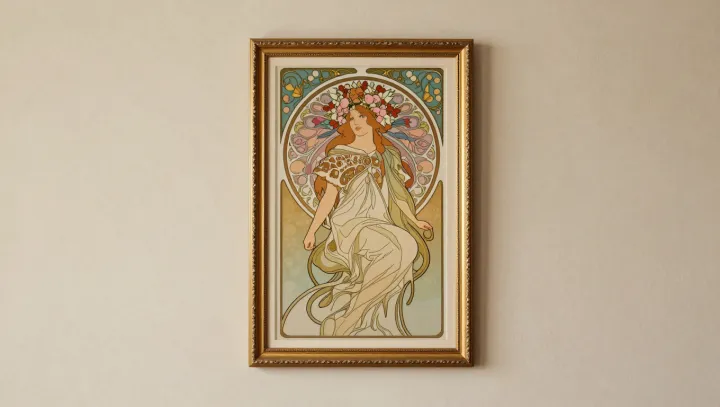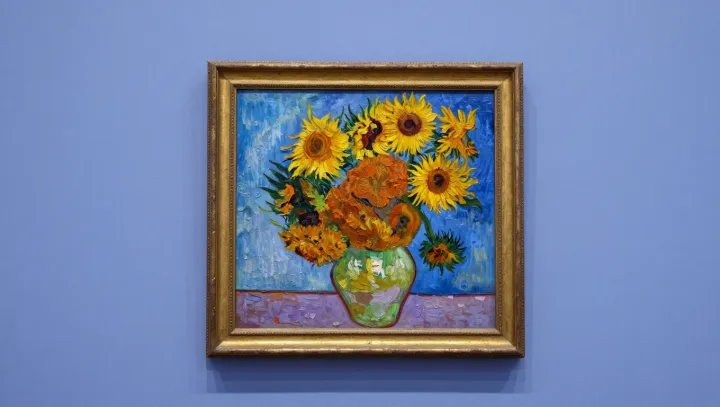
Layers of cracked paint in museum galleries now show colors that would have been unrecognizable on the original easel. The culprit is not curators or fashion, but chemistry altering the molecular structure of historic pigments over time.
Many celebrated works were built on pigments that were never thermodynamically stable. Lead white can darken as lead compounds shift oxidation state; cadmium yellow can turn brown as cadmium sulfide transforms into cadmium sulfate under light and oxygen. Organic lakes, based on fragile carbon chains, undergo photodegradation, breaking chemical bonds and draining once‑vivid reds and purples. These reactions change light absorption spectra, so what the eye perceives today is a different color profile from the one the artist mixed on the palette.
Environmental factors accelerate the entropy of these systems. Ultraviolet radiation, humidity fluctuations and airborne pollutants drive further oxidation, reduction and hydrolysis in paint layers and varnish. Modern imaging tools such as X‑ray fluorescence mapping and hyperspectral analysis now let conservators reconstruct probable original hues and model the marginal effect of each pigment’s decay on the overall composition. The picture hanging on the wall has not moved, yet, chemically, it has been migrating away from the artist’s intention for as long as it has been exposed to air and light.