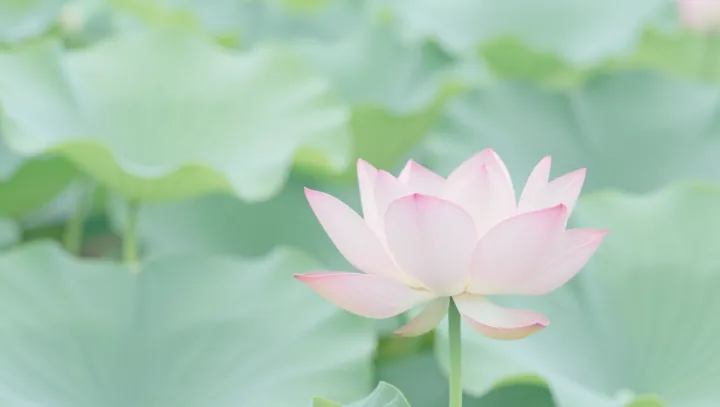
Mud and still water frame the lotus before any priest or poet arrives. A stem pushes through opaque silt, a bud clears the surface, and a pale disk opens without a visible stain. That visual contrast, not a miracle, sets the stage for one of the most durable moral metaphors in human culture.
Across religious systems, the lotus is not revered because observers failed to grasp botany but because they grasped it too well. People saw rhizomes buried in muck and petals untouched by slime, then turned that contrast into moral semiotics. If the plant can maintain what looks like low entropy at the boundary between mud and air, the thinking goes, a person can keep ethical intention intact while moving through corruption, desire, or grief.
Philosophers and ritual designers then locked this intuition into doctrine and practice. Texts place sages on lotus thrones; ritual diagrams center lotus rosettes to map a transition from karmic turbulence to clarity. Over time, repetition created a kind of symbolic path dependence: once the lotus anchored ideas of detachment and clean perception, alternative plants had little marginal effect in the competition for meaning. In art, architecture, and everyday speech, the flower stopped being a specimen and became a portable diagram of how to inhabit the world without becoming indistinguishable from its mud.