Razor currents, toxic microbes and aggressive birds turn some islands into laboratories of danger, where ordinary biology and physics are pushed to their limits.
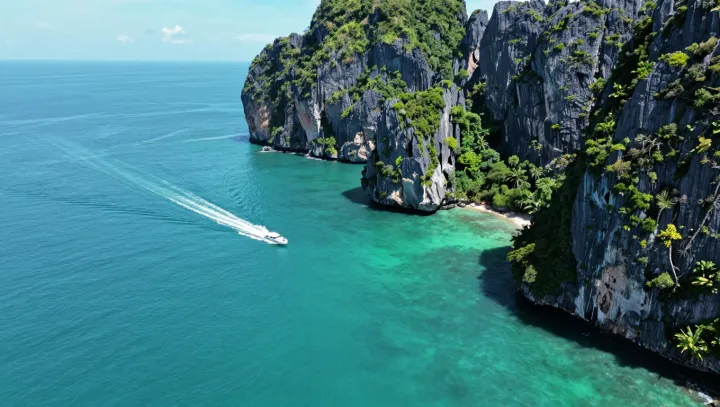
On tidal islands, the hazard begins with hydrodynamics. Narrow channels compress water flow, boosting current velocity and creating rip currents that behave like moving conveyor belts across the seabed. A modest change in sea level can translate into powerful pressure gradients that trap swimmers and strand walkers as the intertidal zone vanishes in minutes. The same physical forces expose sharp reefs and unstable mudflats, converting a scenic sandbar into an obstacle course governed by fluid dynamics rather than folklore.
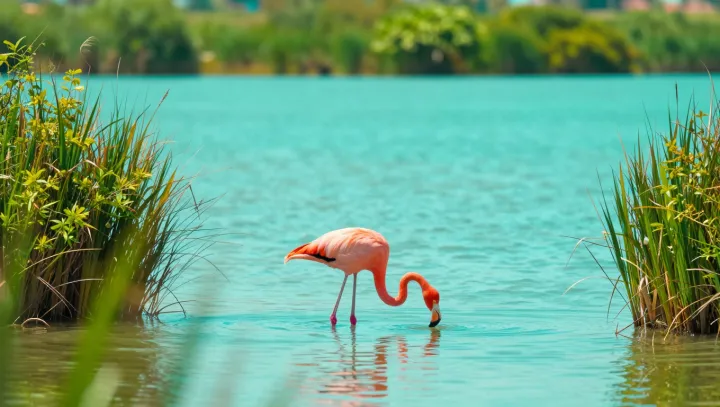
Microbes raise the stakes further. In warm, nutrient rich shallows, bacterial populations can double quickly, driving explosive algal blooms and hypoxia. Pathogens such as Vibrio species exploit human skin microabrasions, while Clostridium botulinum thrives in decaying carcasses washed ashore. Here, basic concepts like carrying capacity and basal metabolic rate scale up into dense microbial mats, where toxin production becomes an emergent property of community level metabolism rather than an isolated infection.
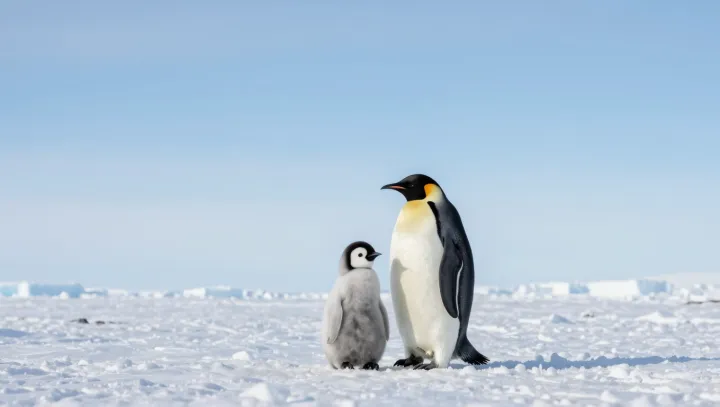
Birds complete the picture. On some islands, nesting seabirds transform the ground into a chemical reactor of guano, rich in nitrogen and phosphorus. That nutrient load alters coastal food webs, fuelling further algal growth and attracting dense invertebrate swarms. High density colonies also amplify zoonotic risk: viruses and ectoparasites move rapidly through tightly packed flocks, increasing the probability of spillover to humans who disturb rookeries. The islands that seem ruled by myth are, at their core, ruled by energy flow, population dynamics and entropy.