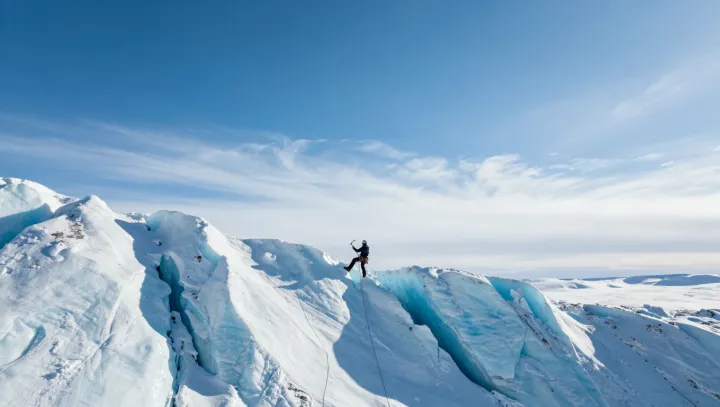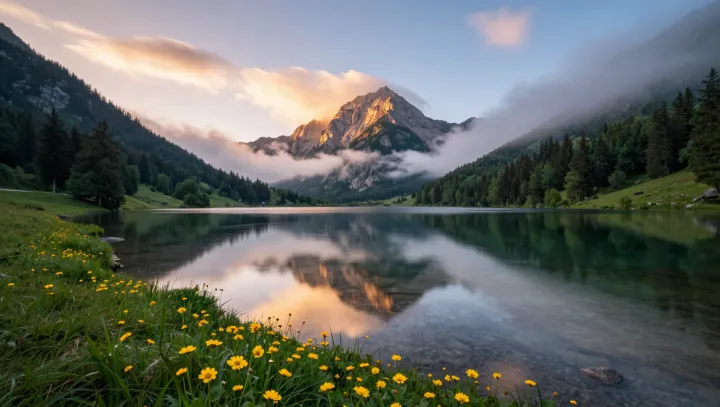
Ridges, U-shaped valleys and scattered boulders set the template long before poets arrived. Ice sheets scoured weak rock, deepened troughs and left basins that later trapped water and peat. As the ice retreated, soils formed through slow weathering and primary succession, creating gradients of fertility that would steer farming and settlement.
Human intervention then treated this inherited terrain almost like a long-term optimization problem. Landowners drained marshy hollows, enclosed open fields and introduced selective breeding to increase agricultural yield, raising the basic metabolic rate of the rural economy. Stone walls followed glacial lines of least resistance, while roads and villages clustered on drier moraines and valley shoulders, turning raw relief into a legible pattern of hedges, lanes and farmsteads.
Landscape designers later added a new layer, importing the language of the picturesque and using the marginal effect of each tree line, lake and ha-ha to frame curated views. What looked like untouched nature to Romantic writers was often a carefully edited palimpsest: glacial landforms beneath, centuries of agrarian engineering above, and an aesthetic filter that highlighted solitude, sublimity and emotional intensity while quietly hiding the labor that made those scenes possible.