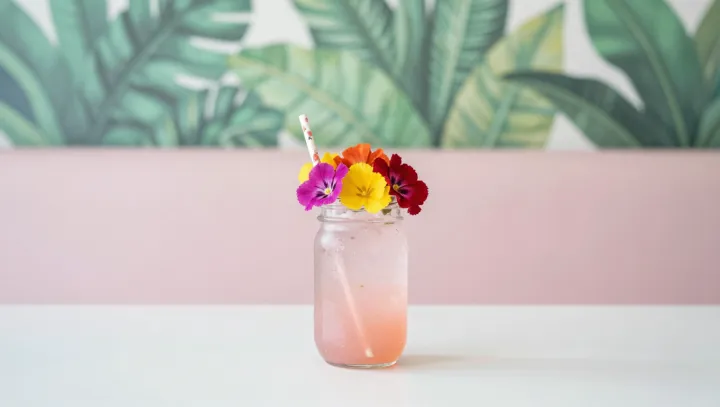
An ice‑cold glass warms in minutes; a simple homemade drink can keep your body feeling cooler long after the cubes melt. The difference is not temperature but chemistry. When you add a pinch of salt, a little sugar and perhaps citrus to water, you change how that fluid moves through your system and how long it supports cooling.
Plain cold water hits the stomach fast and is absorbed quickly, which can dilute blood sodium and speed urine production. A drink with modest sodium and glucose alters its osmolality, engaging sodium‑glucose cotransport in the small intestine. This mechanism, described in textbooks on fluid balance and thermoregulation, pulls water into the bloodstream more efficiently and helps maintain plasma volume, which supports sweat production and heat loss through evaporative cooling.
Mild sweetness increases palatability, encouraging consistent sipping rather than rapid chugging, while dissolved electrolytes reduce the risk of hyponatremia during heavy sweating. Slightly higher solute content can also slow gastric emptying, creating a steadier release of fluid instead of a short spike. With more stable blood volume and sustained sweat output, the body’s core temperature control system works with less strain, so a modestly fortified homemade drink can deliver longer‑lasting relief than a fleetingly icy mouthful of plain water.