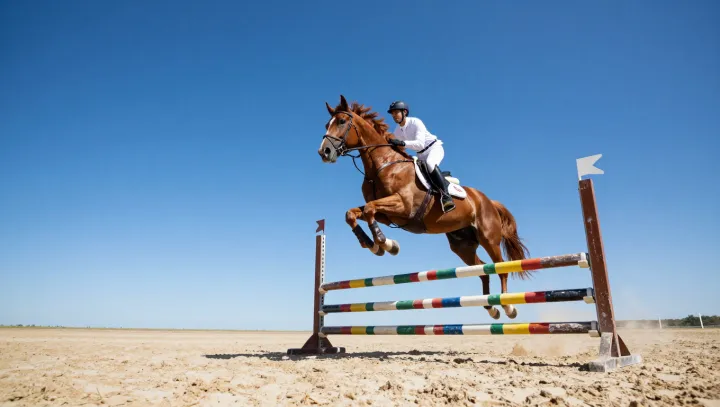
Clean lines on a riding jacket and seamless breeches can make a rider look almost fat‑free, yet nothing in the body composition changes. The effect is visual, not metabolic: the clothes reorganize how light, shadow, and posture map onto the body’s existing volume.
Equestrian tailoring removes visual noise. Dark, matte fabrics reduce specular reflection, so highlights no longer break across small surface irregularities. Strategic seam placement traces along the long axes of major muscle groups, which guides the eye in continuous vertical or diagonal paths rather than letting it pause on localized bulges. This alters perceived body contour without affecting actual adipose tissue or basal metabolic rate.
Compression fabrics and high‑waisted cuts stabilize soft tissue and standardize silhouette, slightly redistributing subcutaneous fat while encouraging an upright spinal posture. A lifted sternum and neutral pelvis change joint angles, which in turn change how ambient light falls across the torso and thighs. The visual system integrates these smoother gradients as “leaner,” even though total body volume and mass remain constant; the marginal effect lies entirely in perception, not physiology.