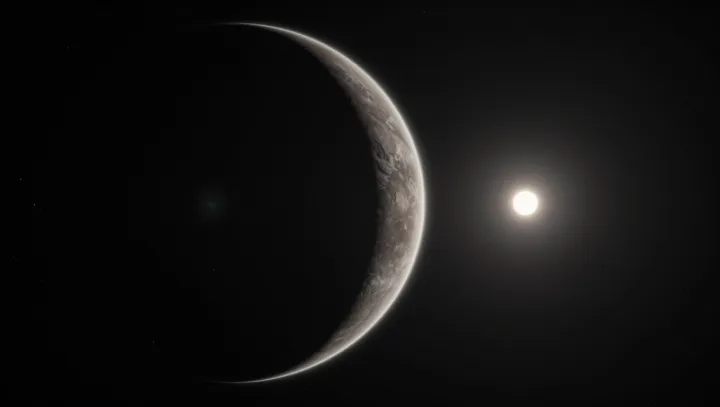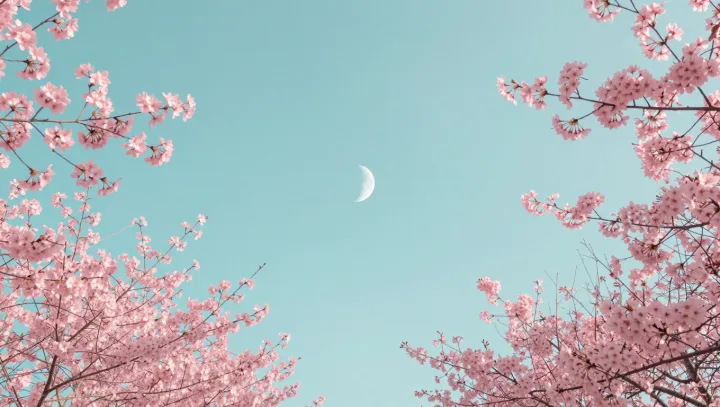
The night has stolen credit it never earned. High above city roofs and desert horizons, the Moon spends roughly half its orbit shining in broad daylight, its pale disk washed in solar glare yet perfectly present, a nearby body lit by the same stream of photons that floods streets, oceans and faces.
What people call instinct here is mostly a design flaw. Human visual perception is tuned for contrast, not completeness, so a bright blue sky saturates retinal photoreceptors and makes a low-albedo rock effectively invisible, while photopic vision and neural contrast enhancement quietly erase the faint circle that optical physics says should be obvious.
Culture then locks the error in. Myths, calendars and religious rites tie the lunar cycle to darkness, tides and secrecy, compressing a complex three-body geometry of Earth, Moon and Sun into a stage set where one actor only appears when the lights go down, even though orbital mechanics never agreed to that script.