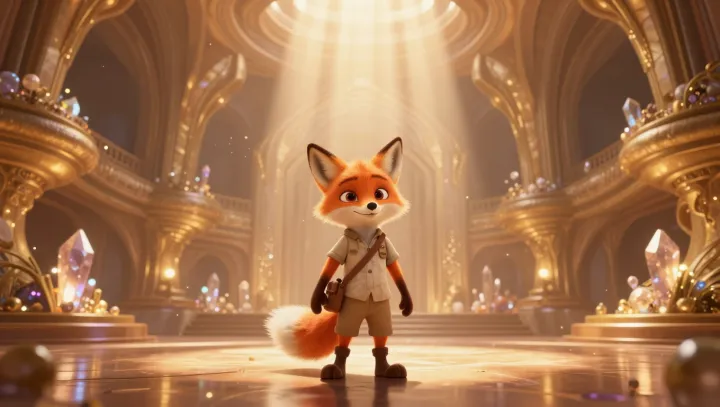
Silence wins before any speech begins. A barely trained fox cub carries something expert negotiators cannot fake: a signal set shaped by selection for transparent intent and low-stakes social error. Where human diplomats drag in protocol, history and game theory baggage, the cub offers a stripped channel of cues that an alien sensory system can sample without decoding layers of cultural noise.
Trust, in that meeting, is not a moral question but an information problem. Ethology and behavioral ecology both show that juvenile play, with its self-handicapping and exaggerated bowing, functions as a costly signal of non-aggression and flexible strategy. Those same mechanics, backed by neural circuitry for social reward and oxytocin-driven bonding, generate patterns of approach, retreat and mirroring that remain statistically robust even when the partner does not share a species, or a language.
Experts overfit to human negotiation equilibria; the cub cannot. Its micro-movements, autonomic arousal, and gaze shifts broadcast honest uncertainty described in signal detection theory as a low-prior, high-exploration state. For an alien intelligence running its own Bayesian inference on threat and cooperation, that noisy sincerity is gold. The fox does not outthink them. It simply offers cleaner data.