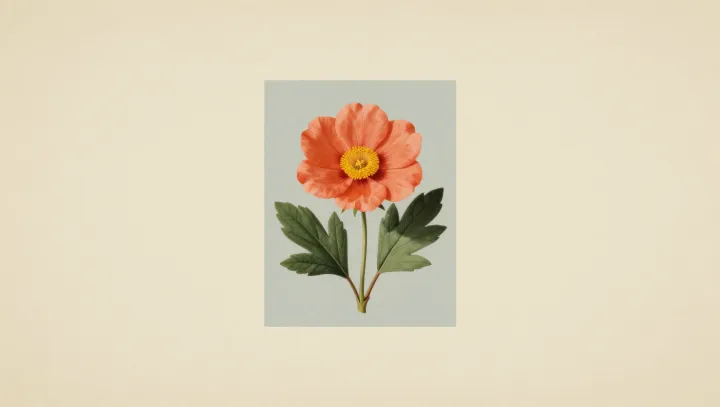
Dutch peony is not really Dutch. Its wild story begins in fields of China, the Korean Peninsula and Japan, where Paeonia species settled into temperate grasslands and forest margins as long-lived herbaceous perennials. From that Asian base, growers selected sturdy roots and stable flower forms, then shipped propagating material into northern Europe for commercial use.
What looks like a romantic garden flower is, in Dutch hands, a rigorously managed horticultural product. Classified under the family Paeoniaceae and the genus Paeonia, the crop runs through a pipeline of vegetative division, field cultivation, and vernalization, then into cold storage where flower buds are held under controlled humidity to synchronize supply with auction schedules. Grading standards, stem length benchmarks, and phytosanitary inspections turn each stem into a fungible trading unit for global cut-flower markets.
The surprise is how little breeding origin matters once logistics take over. Dutch farms leverage Asian genetic diversity, but value is created through postharvest physiology management, including control of ethylene exposure and respiration rate, and through tight integration with auction clocks and refrigerated transport chains. Somewhere between an Asian hillside and an export crate, the peony stops being regional folklore and becomes standardized floral currency.