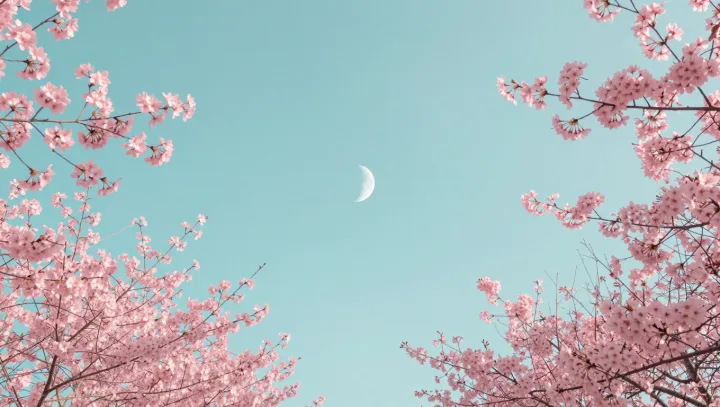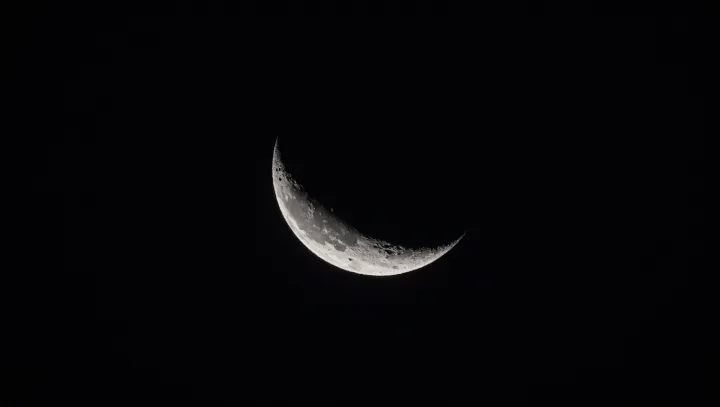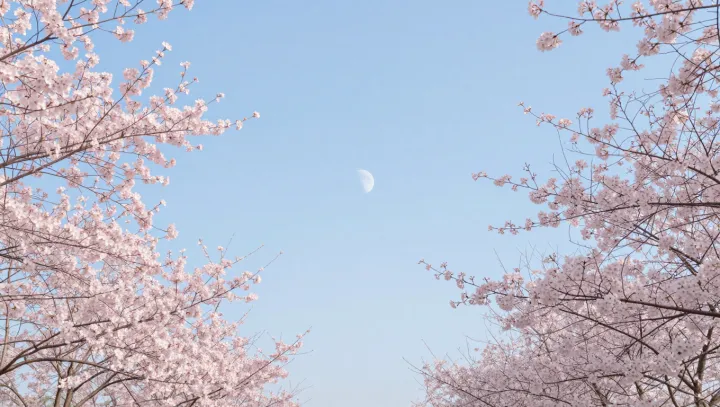
Daylight keeps stealing the Moon, and culture keeps pretending nothing happened. For all the talk of a night guardian, the Moon spends a large share of its orbit in plain blue sky, its visibility set not by folklore but by simple geometry between Earth, Moon and Sun.
The real mismatch sits in the phrase “night sky,” not in the physics. Orbital mechanics dictates the Moon’s elongation angle from the Sun, and that angle decides when it rises, sets and clears the Sun’s glare. Around first and last quarter, the Moon hangs high while the Sun is still up, perfectly placed yet often ignored because it fails the storybook script.
Blame optics, not mystique. Rayleigh scattering in the atmosphere floods the sky with short‑wavelength light, so only objects with enough surface brightness and contrast cut through. The Moon manages this during many phases, but cultural framing edits those sightings out, as if daylight appearances were glitches rather than the default behavior of a bright rock in a bright sky.
What looks like a shy visitor to the night is, by photometry and orbital period, a regular daytime actor. The surprise is not that the Moon shows up under the Sun, but that a persistent story still insists it should not be there at all.