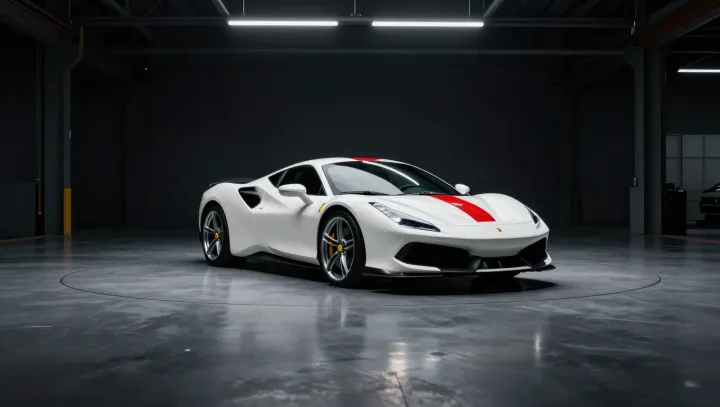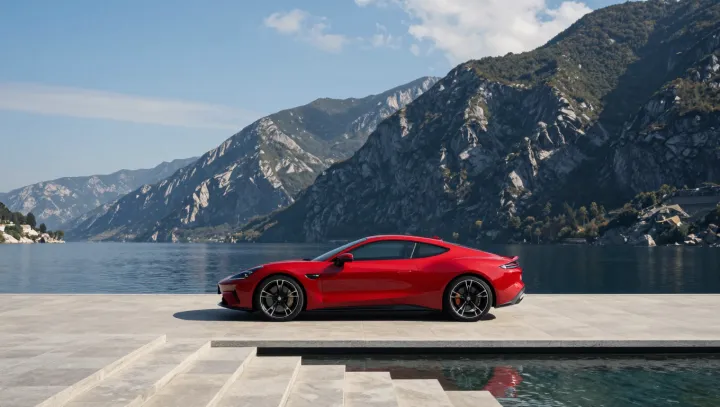
Paint, not pistons, now sets the tone for this British grand tourer wearing an Italian suit. A familiar front‑engined chassis sits underneath, but the body is recut by a Turin studio into sharper surfaces, a lower roofline, and a cabin trimmed more like a bespoke lounge than a track tool.
What really moves the price, though, is the number that never changes: 99. That production cap turns an already expensive coupé into a controlled experiment in supply elasticity, where collector demand, not performance data, writes the price curve. Power output barely differs from the standard car, yet auction estimates can jump by a multiple once the coachbuilt badge enters the catalogue.
This is not about speed; it is about optionality. Each unit acts like an illiquid derivative, combining recognizable mechanical underpinnings with a new design language and a fixed issuance. Dealers talk less about torque and more about allocation, secondary spread, and how many cars stay in long‑term storage. The car becomes a movable asset class, its market value driven by the mathematics of extreme scarcity rather than the engineering of incremental horsepower gains.