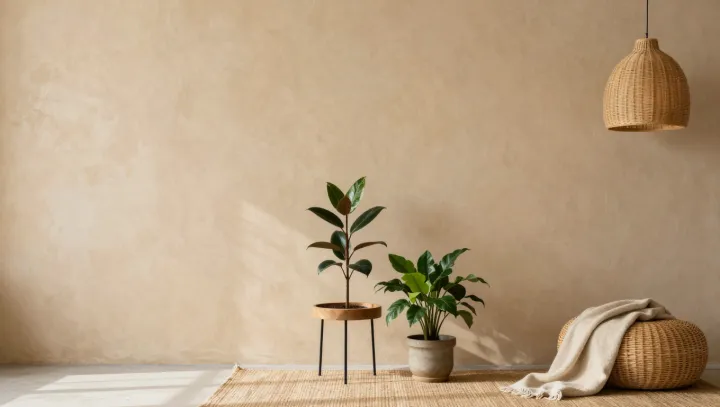
Two small green pots can act like uncredited co‑authors of experience. In controlled tasting rooms, participants rated identical snacks as sweeter and more pleasant when two leafy plants sat in an otherwise stripped corner, while electrocardiogram and salivary cortisol readings showed modest but consistent drops in arousal.
Behind that shift is not sentiment but sensory gating. Visual exposure to organic fractal patterns and low‑saturation greens appears to tune the autonomic nervous system toward parasympathetic dominance, lowering heart rate variability indices linked to fight‑or‑flight, which in turn alters how gustatory receptors and olfactory cues are integrated in the insular cortex and orbitofrontal cortex. Taste does not change in the mouth; it is reweighted in the brain.
The stranger claim is that two plants can tilt a room’s collective mood, yet group experiments suggest exactly that. When neutral meetings were held with the same agenda in bare rooms versus plant‑punctuated rooms, observers coded more open body posture, longer prosocial eye contact and higher ratings of shared calm, an effect amplified when soil moisture added a faint earthy scent. No conversation about nature occurred; the plants simply sat there, quietly editing physiology and, with it, emotion.