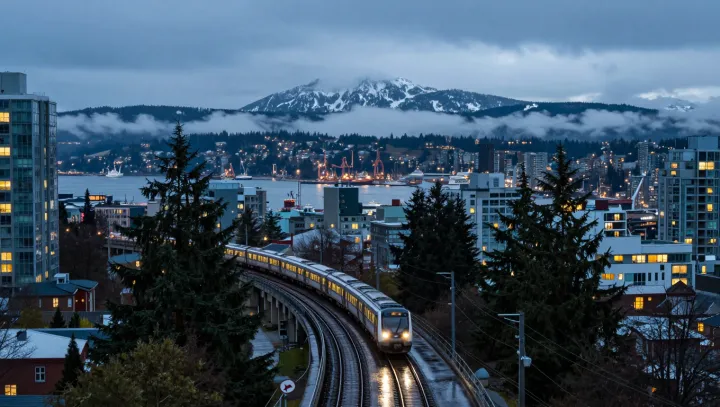
Steel, glass, and water do the marketing that stadiums usually buy. Along Seattle’s commute routes, the city framed its own postcard, then quietly handed it to every rider, every day.
The bold move was to treat the commute as prime media, not dead time. Light‑rail tracks and arterial bus lines were drawn to skim the bay, slice between skyscrapers, and surface near mountain sightlines, while transportation engineers talked about headways and right‑of‑way, politicians obsessed over the camera angle from a bus window. Each rush hour became a rolling broadcast of ferries, container cranes, and towers, repeated thousands of times without a single ticketed tour.
Even more subversive was the decision to protect those views instead of selling them off. Zoning maps locked in height limits along specific corridors, view‑corridor regulations preserved the gap between towers, and the waterfront was reserved for piers, paths, and transit links rather than a single mega‑arena. That choice spread spectacle across a whole shoreline, so a worker on a bus or a student on a train gets the same cinematic sweep that other cities try to concentrate inside one branded bowl.
What emerged is a city where the daily commute does the work of a World Cup opening ceremony, only without fireworks or a closing night.