A thin sheet of mud did the heavy lifting here. Not crashing surf, not mountain‑building drama, but a low‑energy marine trough that barely stirred its own water set up one of the cleanest Jurassic archives on Earth. Between what is now England and France, that quiet seaway gathered fine carbonate ooze and clay in a slow, near‑continuous fall, each pulse of sediment locking in microfossils, trace metals and organic matter with almost obsessive regularity.
This was not chaos; it was a stratigraphic factory. Because currents were weak and the basin subsided steadily, accommodation space kept opening, letting layer after layer settle without major erosion, breakage or tectonic overprint. Oxygen at the sea floor often ran low, so bioturbation stayed muted and bedding remained sharp. Ammonites, foraminifera and other index fossils stacked up in order, allowing geologists to build a high‑resolution biostratigraphic framework that tracks global sea‑level shifts and carbon cycle swings with unusual clarity.
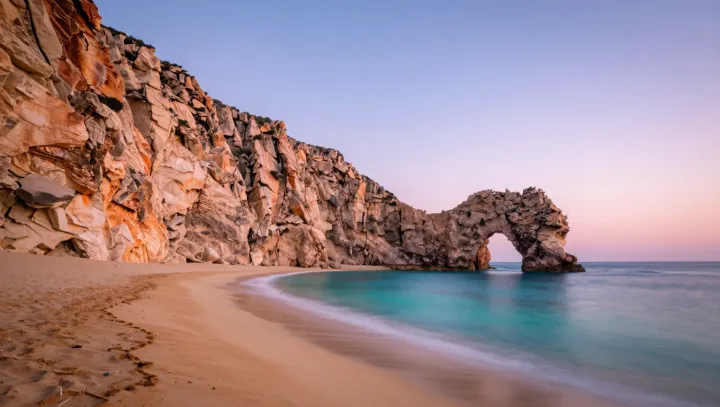
What now reads as a World Heritage archive is, in essence, a geological tape recorder that never quite hit stop. Cliffs and quarries along this former seaway expose an almost unbroken run of Jurassic strata, linking local mud to global anoxia events, volcanic pulses and marine extinctions. Where other regions offer scattered chapters, this corridor between England and France holds page after page, still bound, still legible.