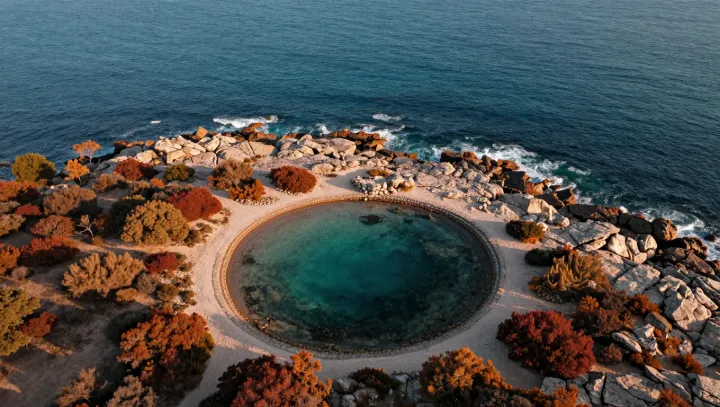
A 12‑hectare Sanya resort should feel small, yet the first impression is of distance, not limits. Terraces, pools and vegetation are stacked so the eye climbs in planes toward the horizon, each band framing the sea while quietly hiding bodies behind balustrades, foliage and level changes.
The design bets that perception, not acreage, defines luxury. By exploiting depth cues like linear perspective and aerial perspective, planners stretch the mental map, turning a short physical span into a long visual corridor that runs from shaded courtyards through stepped decks to a thin blue line of water that never seems to end.
Crowding, here, is treated as a math problem. Seating clusters are broken into small nodes, each set at micro‑offsets in plan and section, so any given guest sees only a fraction of total occupancy, a deliberate cut in visual density that keeps the apparent person‑per‑square‑meter count comfortably low.
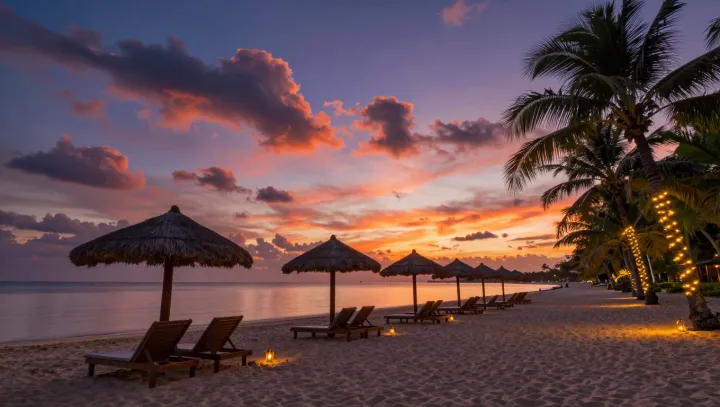
The trick is almost clinical. By controlling viewing angles and occlusion, and by aligning loungers, cabanas and dining terraces along staggered vectors to the ocean, the resort makes each group feel like an island, even as back‑of‑house circulation and load‑bearing grids run with tight, efficient precision just out of sight.