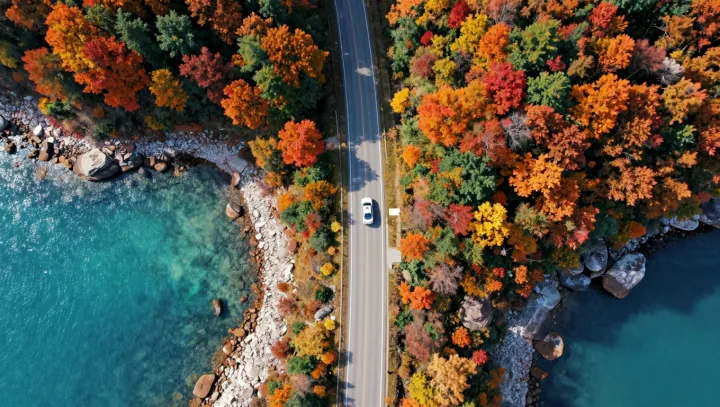
Cool air through a half‑open car window may be a stronger cognitive tool than an extra coffee. That gentle thermal and tactile stimulus nudges cerebral blood flow upward, research on mild cold exposure shows, while avoiding the vasoconstriction sometimes linked to heavy caffeine intake and stress hormones.
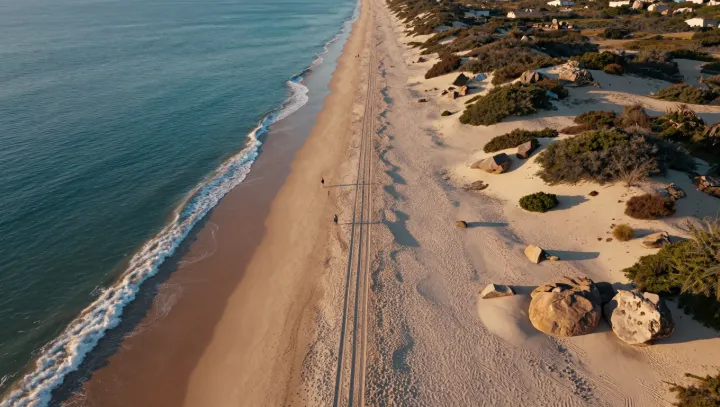
More striking is how that quiet coastal road works on stress circuits. Soft, predictable sensory input dampens amygdala activity and shifts the autonomic nervous system toward parasympathetic dominance, cutting cortisol and heart‑rate variability spikes that follow repeated caffeine. With fewer stress signals bombarding the prefrontal cortex, attentional networks hold focus longer and recover faster after mental fatigue.
There is also a small but telling sensory trick at play. The mix of cool airflow, low‑frequency engine vibration and distant surf provides multimodal stimulation that keeps the reticular activating system slightly engaged without tipping into overload. Coffee, by contrast, drives adenosine receptor blockade in a blunt, system‑wide fashion, which can yield jitter, distractibility and rebound drowsiness. Ten calm minutes on that coastal stretch act more like a subtle gain control than a stimulant surge, sharpening attention while keeping stress chemistry in check.