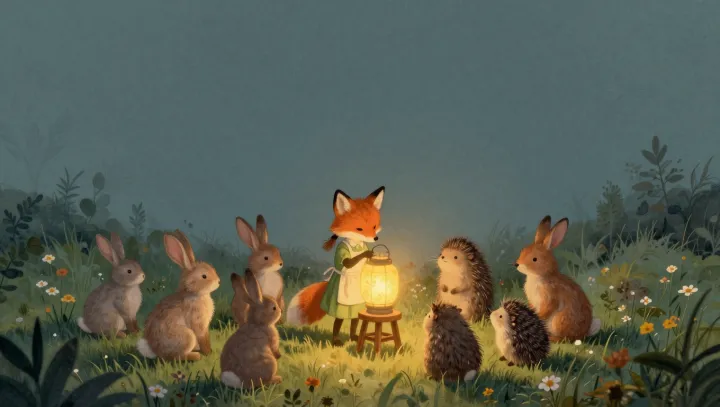
A small lantern in a dark forest can feel more intimate than a family photo. In a picture of animals sharing one pool of light, the brain does not log it as fiction; it recruits the same hippocampal and amygdala circuits that stabilize real episodic memories, then lets them bleed into stored traces of childhood evenings on porches, in backyards, under streetlamps.
What looks like fantasy is really template matching. Visual cortex extracts edges and light gradients, while the hippocampus binds that glow with a familiar script of bedtime, safety, and hushed voices. Cognitive scientists call this a schema; once triggered, it pulls in autobiographical fragments, and the default mode network stitches them into a scene that feels personally owned, even if no forest ever existed in your past.
Nostalgia here is not sentiment but computation. Oxytocin and dopaminergic reward pathways nudge attention toward warmth and proximity, so clustered bodies around a single light source are tagged as emotionally salient and easier to retrieve later. The brain compresses the image into a prototype of night, companionship, and shelter, then quietly files it beside actual memories of childhood dark, where the distinction between lived and imagined is left deliberately thin.