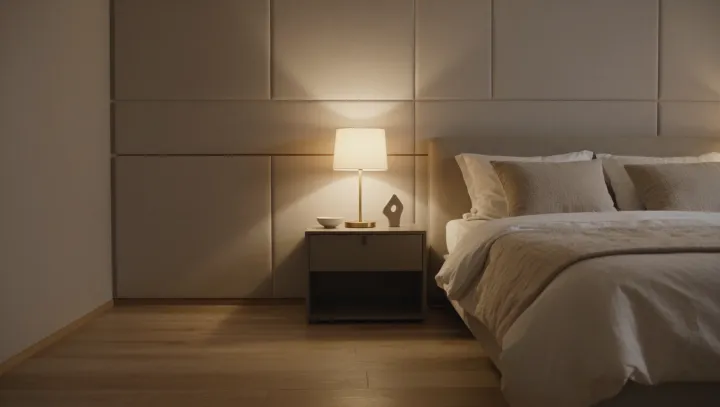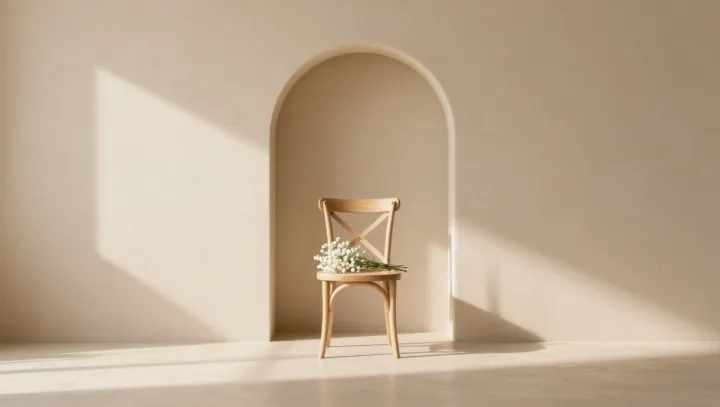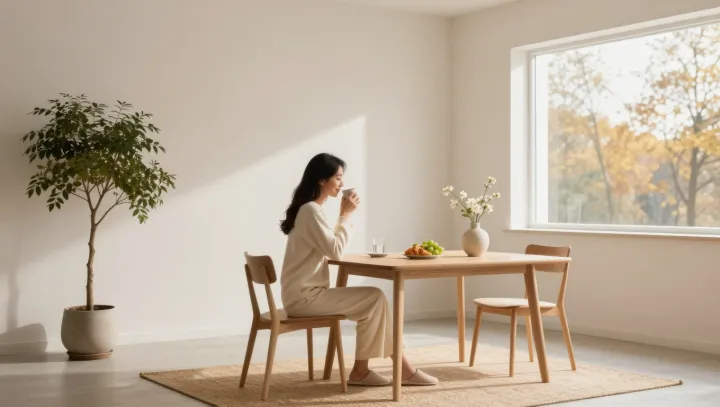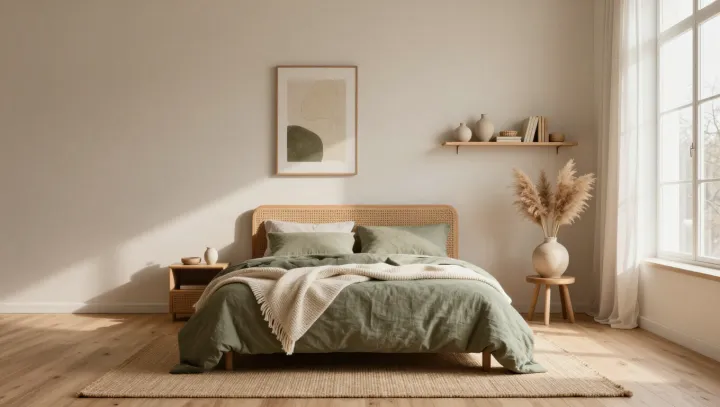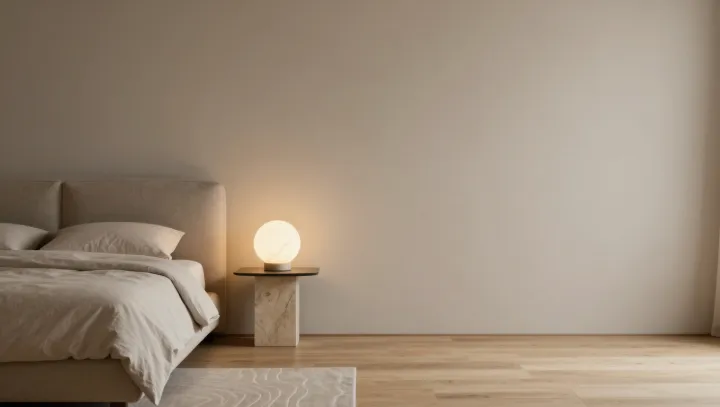
The glow people praise in minimalist bedrooms is mostly a neurological illusion. Light matters, yes, but the real driver is how little there is for the brain to process when it scans soft textiles, pale walls, and almost no objects. Visual cortex activity drops when contrast, clutter, and sharp edges are reduced, so the space feels calmer even if the lumen count barely changes.
Counterintuitively, the star is not the bedside lamp. Soft cotton, wool, and linen feed low-intensity signals into somatosensory pathways, while muted hues keep color-opponent channels in the retina and lateral geniculate nucleus under-stimulated. With fewer competing inputs, prefrontal networks that handle working memory and decision-making can idle instead of constantly updating a mental inventory of objects, patterns, and colors.
What looks like aesthetic restraint is, functionally, a manual throttle on sensory bandwidth. By stripping away decor, the room cuts down on feature detection, saccadic eye movements, and micro-evaluations that would otherwise keep autonomic arousal slightly elevated. The result is a subjective sense of warmth and safety that has less to do with design trends and more to do with basic neural energy management.