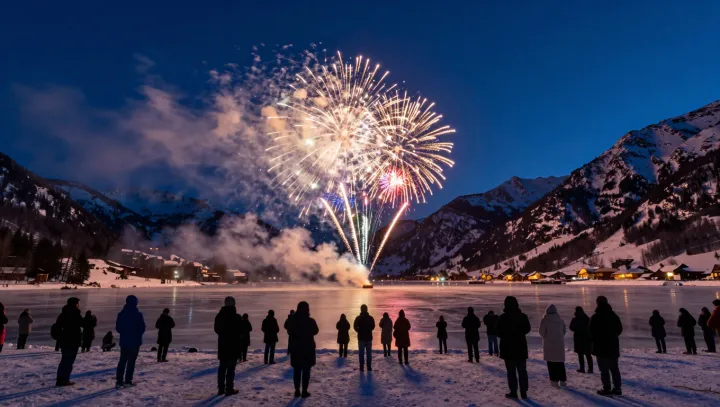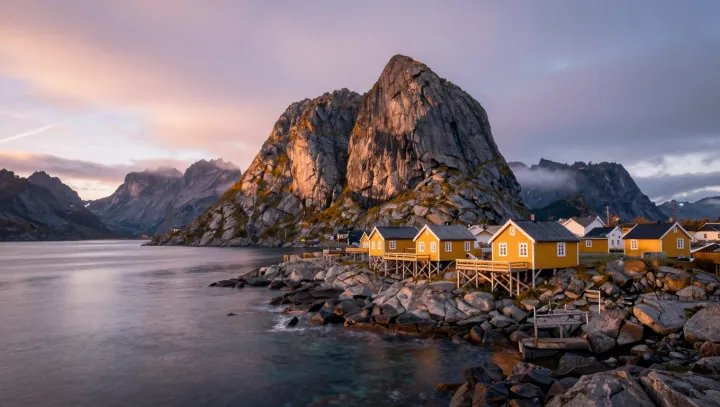
Bare rock, not postcard charm, defined this Arctic shore when the first drying racks went up and the bay filled with working hulls. Only when the harbor deepened, the breakwater extended, and a basic cold chain appeared did a permanent village make economic sense, turning a seasonal cod camp into a year‑round base.
The real surprise is that beauty came second, profit first. As colorful cabins multiplied for crews and processing staff, their tight geometry against dark sea and snow created the now famous view; camera‑ready scenes were, in effect, a by‑product of logistics and building codes that favored compact wooden housing over scattered concrete blocks on permafrost‑stressed ground.
Tourism did not just happen; it piggybacked on cod and on warmer water. Milder winters kept sea ice away from the harbor mouth, lengthening both fishing and visitor seasons, while digital platforms turned one dramatic aerial photo into an algorithm favorite, drawing tour operators, then boutique lodges, into a local economy still anchored by quotas, landing rules, and export contracts.