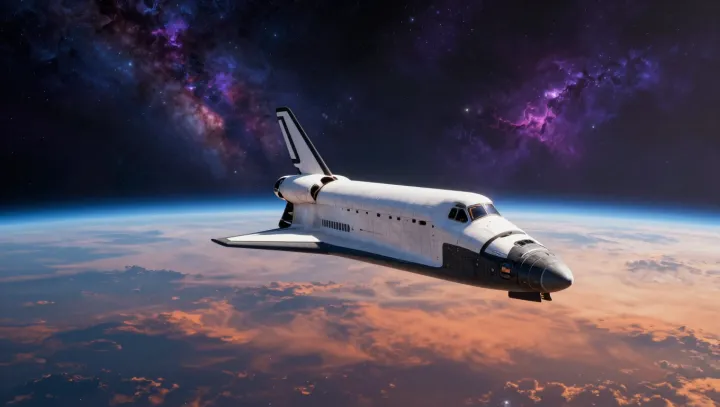
Runway lights, not launch towers, may define the next leap in spaceflight. The concept is blunt: a single winged vehicle rolls, takes off, accelerates to orbital velocity, then glides back to the same strip for refuel and inspection.
This vision is less fantasy than a harsh verdict on expendable rockets, whose staging and splashdown hardware burn capital with every mission while reusability, when partial, still demands barges and cranes. Engineers now stitch together air-breathing propulsion, such as precooled turbojet and ramjet cycles, with closed-cycle rocket engines, pursuing a single-stage-to-orbit profile that keeps structural mass low and propellant margins workable.
Skeptics argue that physics still charges a steep fee, and they are right; the rocket equation does not negotiate. Yet advances in carbon-fiber composites, high-temperature ceramics and autonomous flight control have shifted the trade space, shrinking dry mass and allowing aggressive ascent trajectories while software manages thermal loads and angle-of-attack in real time.
The real disruption would be operational, not cinematic. A spaceplane that can taxi to a hangar, undergo line maintenance, then launch again after a short turnaround pulls orbital access into the logic of fleet utilization and sortie rate, where reliability statistics and cost per flight hour matter more than spectacle.