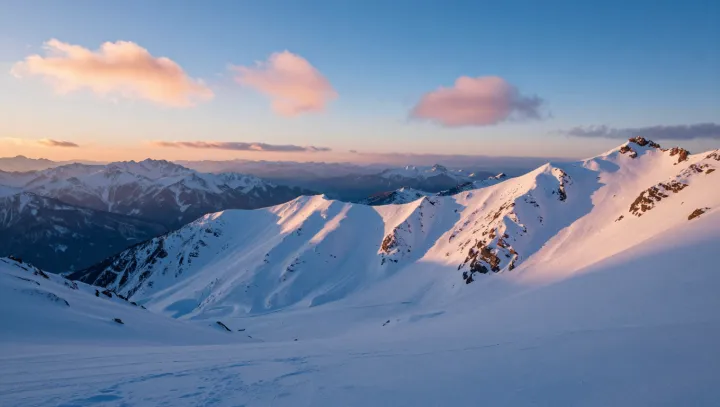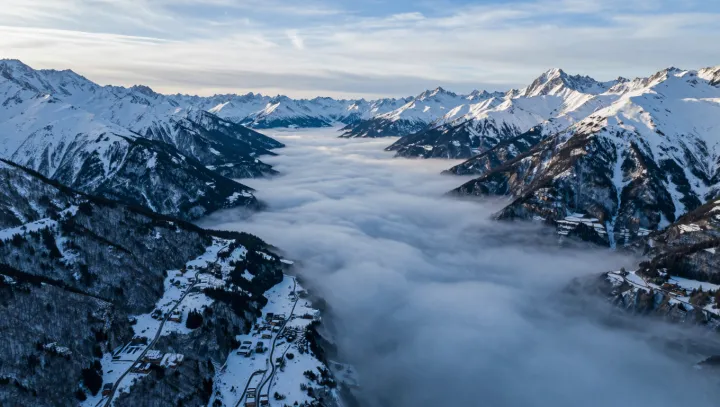
White slopes move first, long before any official notice reaches a climber’s inbox. On certain celebrated summits, snow slabs shear, winds flip direction, and pressure drops faster than any helicopter can gain lift, turning the mountain into a sealed system where a fall is not an incident but a final state.
Authorities close these peaks not out of caution but out of arithmetic. Avalanche probability models, based on snowpack stratigraphy and shear strength, show failure chains so dense that any safe window shrinks to minutes. Rescue teams then run the numbers on rotor performance, oxygen saturation and hypothermia kinetics, and the graph ends in a flat line: by the time a craft could reach a buried climber, core temperature and cerebral perfusion would already have collapsed.
The harsh truth is that modern gear only deepens the illusion of control. Lighter crampons, better satellite beacons, even refined Global Navigation Satellite System tracking do nothing against spindrift slides triggered by micro-scale temperature gradients or katabatic gusts that exceed rotor-stability thresholds. When meteorologists combine mesoscale atmospheric models with avalanche bulletins and see overlapping red zones from base to summit, a closure becomes less a policy decision than a recognition of physics. The mountain stays climbable. Extraction does not.