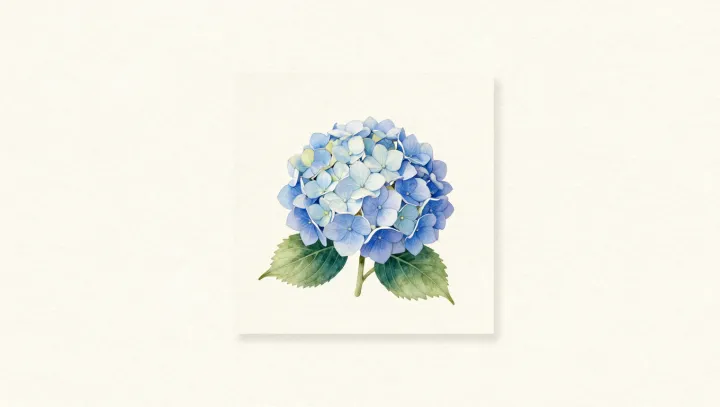
Color, not species, defines a hydrangea more than gardeners like to admit. One shrub can throw candy-pink blooms in a limestone bed yet turn a saturated blue when moved to acidic, aluminum-rich ground, as if the plant had changed identity rather than chemistry.
The blunt truth is that soil pH acts like a gatekeeper. In acidic substrates, aluminum ions stay soluble, slip into roots, ride the xylem stream, and end up in developing sepals. There, they meet anthocyanin pigments and form metal–anthocyanin complexes that shift light absorption toward blue wavelengths. Raise the pH with calcium carbonate, lock aluminum into insoluble minerals, and those same anthocyanins default to pink, even though the plant’s DNA is identical.
More surprising is how narrow the window is. A modest pH change can flip the color code because proton concentration alters pigment ionization states and vacuolar pH inside petal cells. Organic matter, cation exchange capacity, and competing ions all tweak aluminum bioavailability, so two gardens a short walk apart can run opposite chromatic scripts. Underneath that showy hedge, soil chemistry is editing the bloom, line by line, with no need for a new cultivar.