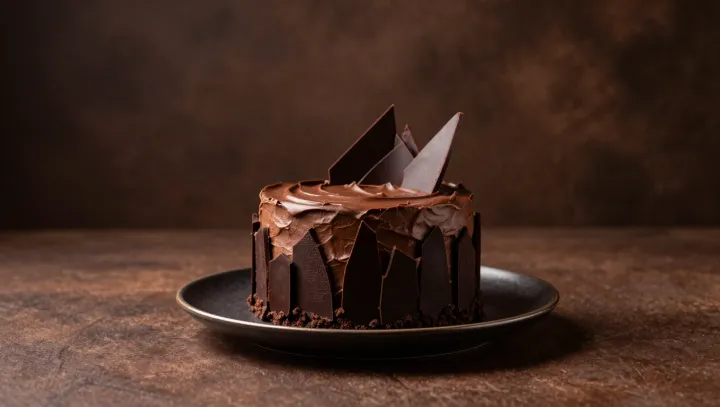
Sticker shock can be a sales tool. A rich chocolate cake that jumps from a modest price to a premium bracket often stops looking like dessert and starts reading like craftsmanship. That higher figure works as a signal in the language of signaling theory, implying better ingredients, stricter quality control, and more time on the bench for the pastry team.
The counterintuitive part is that demand can rise. By pushing the cake out of the bargain range, the menu quietly filters out deal chasers and attracts buyers who use price as a proxy for quality, a classic case of asymmetric information at the table. Those guests are more loyal, less likely to complain, and more open to high-margin pairings such as dessert wine or espresso.
Most diners do not run cost-benefit equations on cocoa percentages. They use a shortcut: if it is the most expensive dessert, it is probably the safest bet when hosting a client, date, or family celebration. The premium tag reduces perceived risk and offers social cover, turning a simple slice of cake into the rational choice when reputations, not just appetites, are on the line.