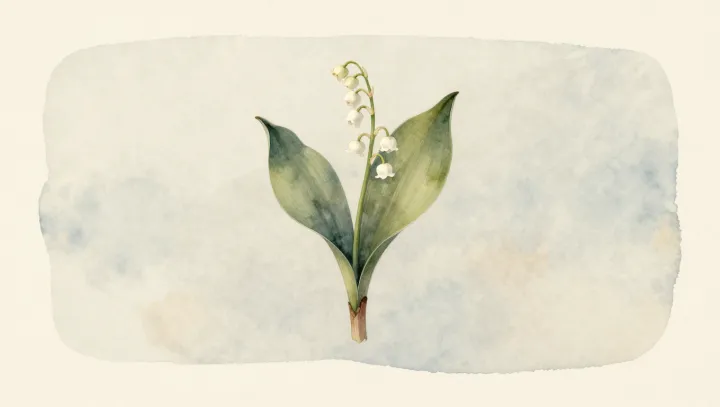
So-called innocence can be chemically ruthless. Lily of the valley, with its bridal-white bells and sweet scent, builds a pharmacology textbook inside every stem, packing the same class of cardiac glycosides found in digitalis into flowers, leaves, and even its glossy berries.
The plant does not bother with half measures. Those cardiac glycosides bind to the sodium-potassium ATPase in heart cells, a membrane pump that keeps ions in tight balance, and once that pump is blocked, calcium floods in, contractions grow erratic, and the neat electrical conduction pathway that coordinates each beat can spiral into lethal arrhythmia.
Gardeners like to say it is safe if you do not eat it; toxicologists disagree. Contact with sap can irritate skin, water from a vase can carry enough dissolved compounds to sicken pets, and ingestion can trigger nausea, bradycardia, and dangerous shifts on an electrocardiogram long before anyone thinks to blame a handful of innocent-looking bells.
The plant’s strategy is brutally simple. By weaponizing its biochemistry against grazing animals and careless foragers alike, lily of the valley turns charm into armor, leaving the garden’s prettiest corner as one of its least forgiving.