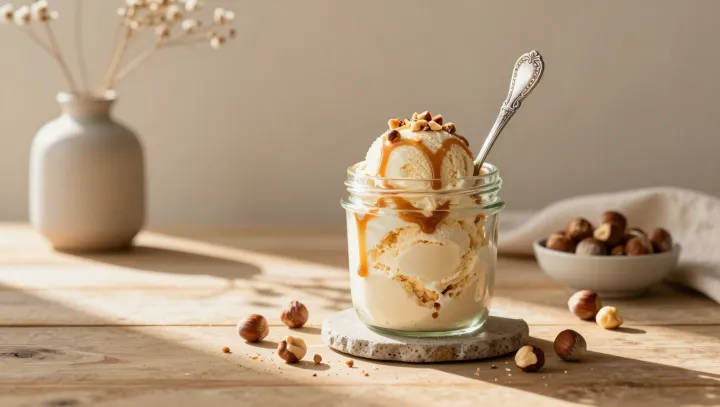
That glossy slab of caramel on your plate is lying to you. Add a thick layer of nuts and many tasters report that the dessert suddenly seems less sugary, even when the sucrose content stays identical and the lab readout of grams per serving has not budged.
At work here is not magic but sensory triage. Fat from nuts and dairy slows the release of sugar molecules to the taste buds, while oral processing studies show that solid inclusions like almonds or hazelnuts force longer chewing, diluting sucrose in saliva and stretching exposure over time so the peak hit of sweetness never quite spikes as high.
Equally subversive is texture. When the brain juggles crunch, stickiness, aroma and temperature, neuroimaging of gustatory cortex suggests that attention spreads across channels, so sweetness intensity is coded as just one signal among many rather than the dominant note that a smooth caramel sauce would deliver in a fast, uniform coating.
The surprise is that more richness can mean less perceived excess. Psychophysics work on mixture suppression shows that bitterness, roasted notes and fat-linked mouthfeel from nuts can dampen sweetness ratings, so a bar that looks like pure sugar can taste balanced, almost restrained, once texture and lipids quietly rewrite the script on the tongue.