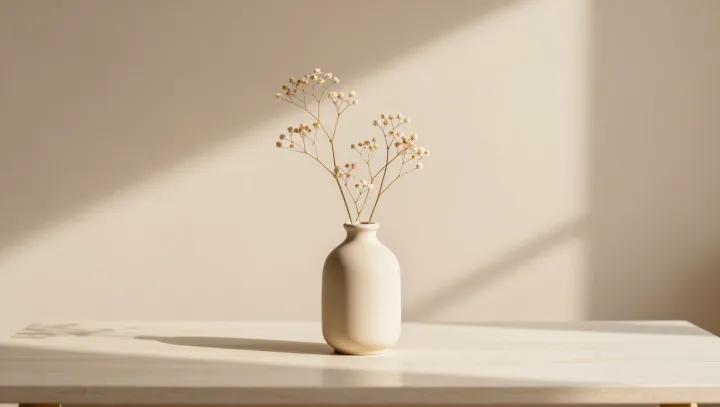
Dried flowers should feel dead. They often do the opposite. A vase of crisp petals and bleached stems can make a room feel inhabited, while flawless roses on the table can read like a staged set, ready for inspection rather than intimacy.
The blunt truth is that dried flowers look like time you decided to keep. Cognitive psychologists point out that objects associated with long exposure and low maintenance boost perceived stability and attachment; the opposite signal comes from short‑lived displays that demand constant monitoring. Fresh bouquets carry a built‑in countdown, tying your attention to wilting, water levels, and browning edges. That quiet anxiety narrows focus toward loss and upkeep, not presence.
By contrast, dried petals are already past the biological drama of turgor pressure and transpiration, so the threat of decay is off the table. They survive light, heat, and neglect with almost no change, which increases a sense of environmental control and predictability, two classic drivers in environmental psychology for feeling safe and emotionally open. Their faded colors and fragile textures also mimic patina in architecture and wear in textiles, visual cues that signal use, history, and human touch. In that softened register, the room stops auditioning for approval and quietly admits someone actually lives there.