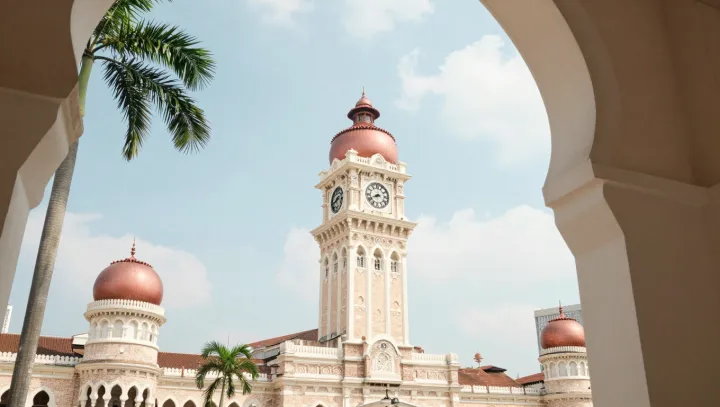
An archway can act like a quiet editor, cutting one stretch of experience from the next before the feet have caught up. The pause feels strange. As light, sound, and spatial geometry shift, the brain marks an event boundary: a cue that the current situation has changed and that its running model needs revision. The body keeps moving.
This is not mere distraction. In cognitive psychology, event segmentation describes how continuous life is parsed into meaningful units; prediction error rises when incoming cues no longer fit the prior scene. Working memory then reallocates attention, while the hippocampus helps bind the new context to episodic memory. For a beat, the old task can seem less available. The threshold interrupts the script. The system favors order, not a seamless record of every moment.
The effect is less mystical than useful. Doorway studies have linked context shifts to lapses in recall, though the size of the effect varies with task design and whether people move through physical or virtual spaces. Architecture can pace cognition, make arrivals feel discrete, and give a room its own mental frame. A threshold is a cognitive device as much as a decorative one. Stone edits thought. A curve of stone becomes, for an instant, a comma in consciousness.