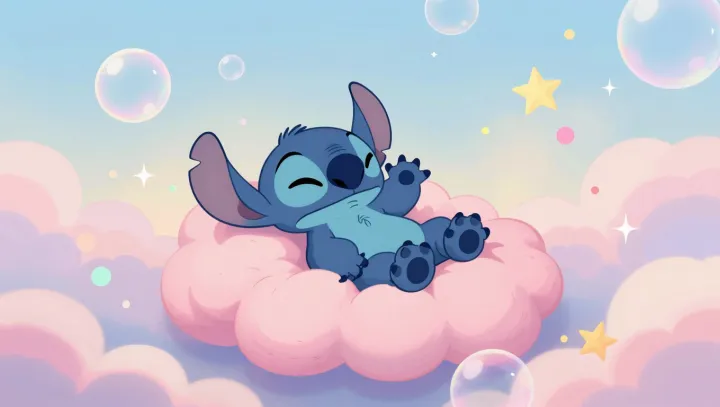
Stitch endures for a reason. The studio lets a weapon fail at being one, so his compact blue body, made for escape and wreckage, arrives as a product of genetic engineering rather than a cuddly mascot. The trick is harsher. The film reads his violence as a malformed survival response, asking audiences to love the damage before offering the cure.
That reversal matters most. Experiment 626 begins without kin, but the household that takes him in gives the plot an emotional architecture in which attachment, not punishment, sets limits on a creature built to resist them. Care changes behavior. Routine, responsibility, and shared vulnerability do more than speeches could, while the animation keeps enough menace that each small act of restraint feels earned. The result is not innocence but social learning, staged through comic chaos instead of moral instruction.
Commerce explains the miracle. A perfect child offers little room for identification; a chaotic outsider makes family an action, which turns the character into unusually durable intellectual property across films, television, merchandise, and park appearances. The payoff is huge. It lets the brand sell mischief and reassurance in one package without sanding away the creature's appetite for trouble. That bargain has a cost. He must remain unruly enough to need love, yet safe enough to sell it. On the sofa, the experiment becomes a question: who gets called family after the wreckage?