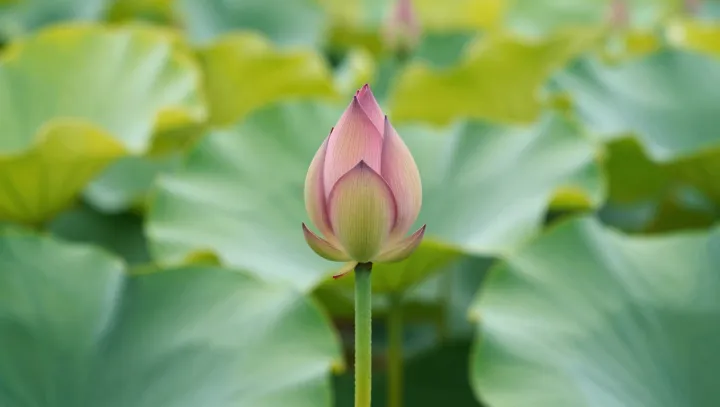
A lotus flower can defy a cold spell by making its own heat. The trick is metabolic. As the bud approaches flowering, the receptacle inside can consume oxygen at a remarkable rate, releasing energy as heat and keeping the developing reproductive structures warmer than the surrounding air.
This is no passive soaking up of sunshine. In the receptacle, mitochondria break down stored carbohydrates through cellular respiration; some of the chemical energy released becomes heat rather than being captured in the energy carrier ATP. An alternative oxidase pathway can contribute to this process, allowing electrons to move through the respiratory chain with less energy conserved as ATP. The flower burns fuel. When air temperatures fall, its respiration can increase, helping maintain a comparatively stable temperature during the receptive phase of flowering.
The payoff is likely biological rather than ornamental. Warmth may help attract insect pollinators or offer them a comfortable place to remain, while protecting the conditions under which reproduction takes place. Such benefits are plausible, though their relative importance remains a matter for study; heating also carries a cost, consuming reserves the plant could otherwise use. Not every bud is a furnace. Heat production is tied to a particular stage of flowering, not an uninterrupted feature of the plant's life. Above the water, the petals hold their shape around a chamber that has briefly made its own climate.