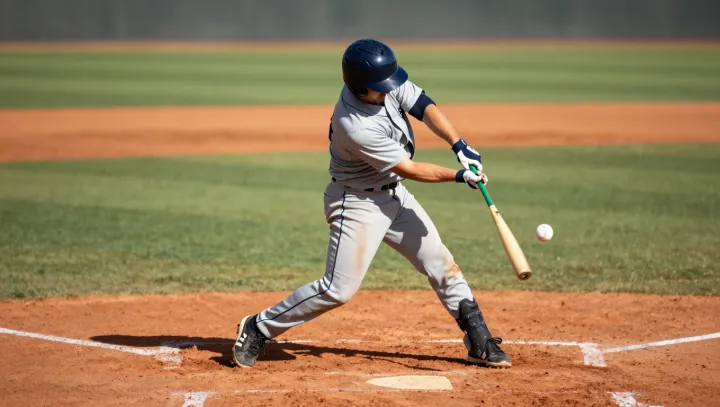
A strikeout need not produce an out. When a catcher fails to secure a third strike before it touches the ground, the batter can sometimes run to first base, leaving the defense to finish a play that the count alone has not settled. The exception is narrow. Its boundaries turn on who occupies first and how many outs already stand.
The rule rewards attention. Under the uncaught third strike rule, the batter may attempt to reach first if the base was unoccupied when the pitch was delivered, or if there are already two outs, regardless of whether first was occupied. With fewer than two outs and a runner on first, the batter is out even if the catcher fails to catch the pitch. That restriction prevents the defense from deliberately letting the ball fall to manufacture an easy double play. With two outs, that possibility disappears: retiring the batter ends the inning. A runner who is allowed to advance is not guaranteed safety; the defense can throw to first or tag the batter before the base is reached.
The count still governs the contest. Four balls earn a walk; three strikes produce a strikeout, whether or not the batter is eventually retired. A pitch outside the strike zone that the batter does not swing at is generally a ball. Most foul balls count as strikes only until the batter has two, although a foul bunt with two strikes results in a strikeout. A foul tip, caught by the catcher, is a strike and can complete the strikeout. Baseball keeps its ledger. Yet between a missed pitch and first base, the final entry remains unwritten.