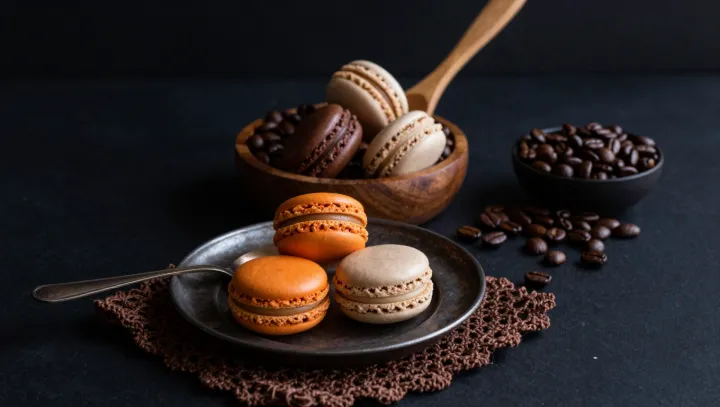
A freshly filled macaron is often less satisfying than one allowed to rest. The shell may crackle beautifully, yet its center can seem dry and separate from the filling. Give it time in the refrigerator, and that contrast begins to change. The reward is subtle: a tender bite beneath a delicate crust.
The filling does more than supply flavor. Through diffusion, moisture moves from the filling into the almond meringue shells, driven by differences in water activity, a measure of how available water is within a food. The shells absorb some of that moisture and soften, while the filling and cookie begin to feel less like separate components. Texture becomes the measure of patience. Buttercream, ganache, and jam can each produce a different result because their compositions and moisture levels vary.
Rest is useful, but it is no license for neglect. Too much moisture can leave shells soggy, and an uncovered macaron can absorb odors or dry out in the refrigerator. Store the cookies in an airtight container, keeping fillings that need refrigeration cold. Before serving, allow them to lose some of their chill so the filling softens and its flavors become easier to notice. Not every batch needs the same wait: a dry shell may welcome more moisture than one already tender. Beneath the polished surface, the most satisfying change remains invisible.