The red swamp crayfish owes its success as much to the muddy pond as to the crowded table. Native to North America, it has traveled widely through introductions for aquaculture and other purposes, finding markets for its meat and fresh waters in which to multiply. The bargain has costs.
Its greatest advantage is versatility. Procambarus clarkii tolerates a broad range of freshwater conditions, including low oxygen levels, and can shelter in burrows when water recedes. Its relatively rapid growth and reproduction help populations recover after disturbance; its omnivory allows it to eat plants, detritus and small animals. Such traits make it useful to farmers. They also make escapees difficult to contain, especially where waterways connect ponds to wetlands and streams.
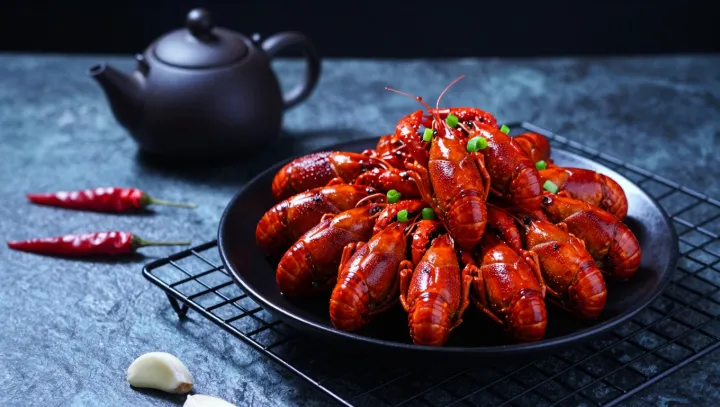
A crowded platter conceals a more complicated appetite. Cooked with seasonings and scattered with scallions, crayfish invite the slow, sociable work of peeling shells by hand, turning a modest portion of meat into a shared occasion. Demand can support farming and trade, yet harvest alone does not necessarily control established populations. Outside their native range, crayfish can damage aquatic plants, alter habitats and prey on native animals; they can also carry a pathogen that causes crayfish plague in susceptible species. On the table, the shells pile high. Beyond it, the water keeps its own account.