A single tray on a coffee table can make a room feel calmer without moving a single wall. Professional interior stylists increasingly describe such pieces as “visual thermostats”: small, practical objects that fine-tune the emotional climate of a space while leaving its architecture and furniture intact.
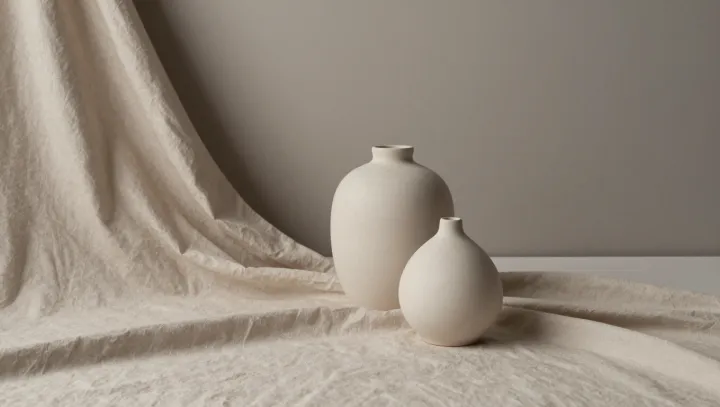
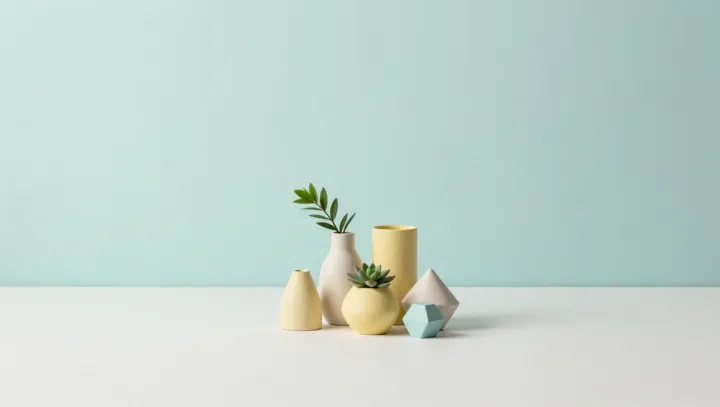
The idea leans on visual perception rather than decor hype. Trays and bowls create instant visual hierarchy, clustering scattered items into one defined focal point, which lowers cognitive load in much the same way that reduced sensory input lowers arousal in the autonomic nervous system. A neutral ceramic vase can work like a buffer, softening high-contrast surfaces and smoothing the perceived “entropy” of a busy room, while a sculptural lamp introduces a controlled spike of stimulation that keeps the space from feeling inert.
Light is the most literal version of this thermostat analogy. A lamp with a warm color temperature shifts the balance of ambient versus task lighting, nudging the circadian system toward restfulness, whereas a brighter, cooler beam sharpens edges and increases alertness. Because these objects sit exactly where the eye lands first, tiny adjustments in their size, color and brightness generate outsized marginal effects on mood. Stylists exploit that leverage, swapping a vase or shifting a lamp, to change how a room feels long before anyone notices what, precisely, has changed.