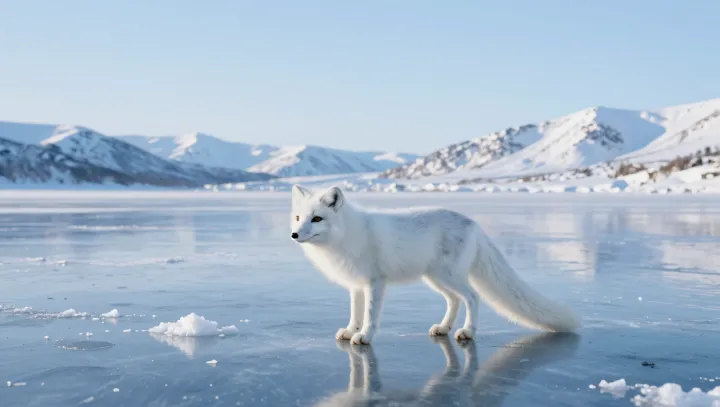
White fur, not sharp teeth, decides the Arctic fox’s odds on the ice. The animal wins by cutting losses. Its dense winter coat traps air, building an insulating layer that slashes convective heat loss and stabilizes core temperature even when wind strips warmth from exposed surfaces.
Energy, not rivals, is its main enemy. Metabolic rate must stay high enough to power muscle and brain, yet low enough to avoid burning through scarce fat reserves. Compact body shape, short muzzle and reduced extremities shrink surface area, tightening the heat budget the way a frugal accountant trims a balance sheet without touching principal.
Visibility becomes another leak to plug. Seasonal molt switches white fur to mottled brown and gray, aligning coat reflectance with snow or bare rock and lowering detection probability for both prey and larger predators. Instead of charging blindly, the fox pauses, head high, scanning with wide visual fields and acute hearing, trading short bursts of motion for long periods of low-cost surveillance.
Aggression would be expensive on such ice. By investing in insulation, color matching and sensory monitoring, the Arctic fox converts a harsh environment into a numbers game where the winner is not the animal that fights hardest, but the one that loses the least.