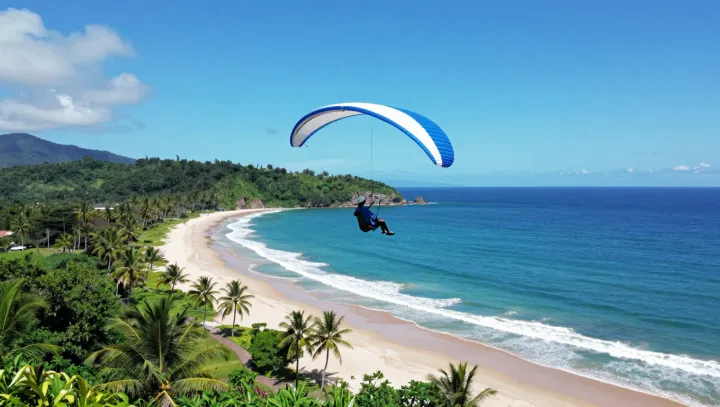
A trembling board above cold water can be better stress training than any quiet, padded life. That is not bravado; it is biology under load, as the heart hammers, pupils widen, and the autonomic nervous system runs a full emergency drill on safe ground.
Avoidance sounds wise but quietly backfires. Chronic safety keeps baseline cortisol and amygdala reactivity untested, so the first real shock hits an unconditioned system, and prefrontal control has no rehearsal at all. In controlled, chosen fear, by contrast, the same circuits fire, yet the rider knows there is an exit, which lets the prefrontal cortex tag the surge as tolerable, not catastrophic, and begin reshaping synaptic weights through neuroplasticity.
The counterintuitive gain is that short, voluntary scares compress arousal into brief spikes instead of letting worry stretch into hours. Heart rate rises fast, then recovery mechanisms such as vagal tone and negative feedback in the hypothalamic–pituitary–adrenal axis practice switching off the alarm. Each repetition widens what clinicians call the window of tolerance, so later insults at work, in relationships, or in health land inside a range the body has already rehearsed surviving. The longboard shakes; the nervous system learns not to.
A life spent dodging risk keeps the stress machinery pristine, untouched, and dangerously naive.