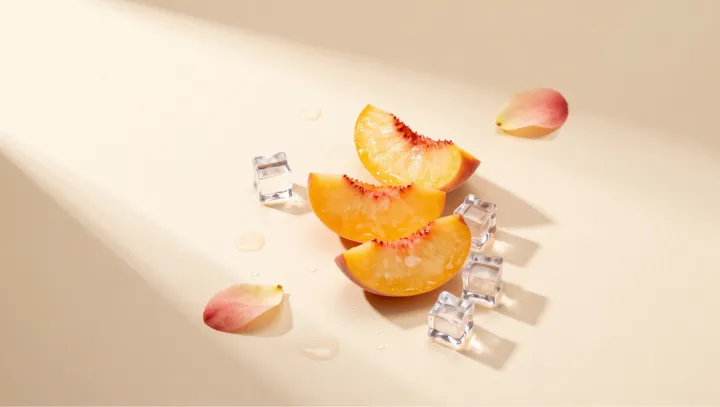
A peach slice looks harmless; that assumption is wrong. Soft fruit still behaves like a solid object in an infant airway, where narrow anatomy and immature cough reflex turn a crescent of peach into a plug. Change the geometry, and you change the risk profile, because long strips slide, while coin shapes lodge and block laminar airflow with brutal efficiency.
More counterintuitive is that the same slice can quietly inflame skin. Contact urticaria and irritant dermatitis are not rare in babies whose saliva, peach juice, and drooling bibs create a moist, occluded microclimate. Chilled slices worsen things: cold delays barrier recovery in the stratum corneum, so enzymes and fruit acids sit longer on already fragile perioral skin, leaving red halos that parents misread as “teething rash.”
Yet the slowest damage happens on enamel. Offer that sweet slice as a stand‑alone snack, and you extend the oral exposure window, feeding mutans streptococci with fermentable carbohydrate. Serve it immediately after a balanced meal, cut into large hand‑held wedges that demand chewing, and you shorten the pH drop and increase salivary flow, which buffers acids and supports enamel remineralization. Same peach. Different physics, different microbiology, different stakes.