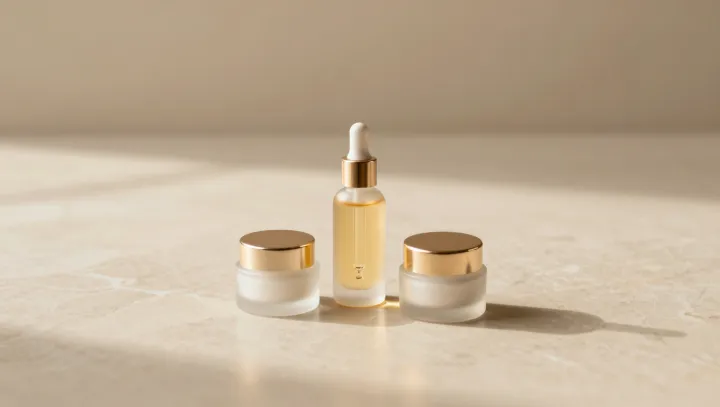
Shine comes first, science second. A luxury serum in a thick glass dropper is engineered as much for optics as for any biochemical effect, with the cylinder, curved shoulder and clear pipette turning a simple liquid into a miniature light installation on the vanity.
What looks like radiance is often physics. High refractive index solvents such as glycerin and certain glycols, combined with controlled viscosity and microbubbles, scatter incident light inside the bottle, amplifying sparkle and color saturation far beyond what low-dose niacinamide or a trace peptide complex could ever signal on the skin in real‑world conditions.
The harsh truth is that packaging earns a better return on investment than actives. A custom glass mold, precise tinting and internal printing leverage visual salience and price anchoring, while the formula may sit just above the regulatory threshold that allows a hydrating claim yet far below concentrations associated with meaningful collagen synthesis or barrier repair in controlled in vitro work.
Illusion is not accidental; it is a closed-loop design. The dropper dispenses a viscous bead that stretches, clings and catches bathroom light, priming the user to read any transient transepidermal water loss reduction or silicone slip as transformative, even when controlled clinical trials, if they exist at all, show only modest improvements over a basic emulsion.