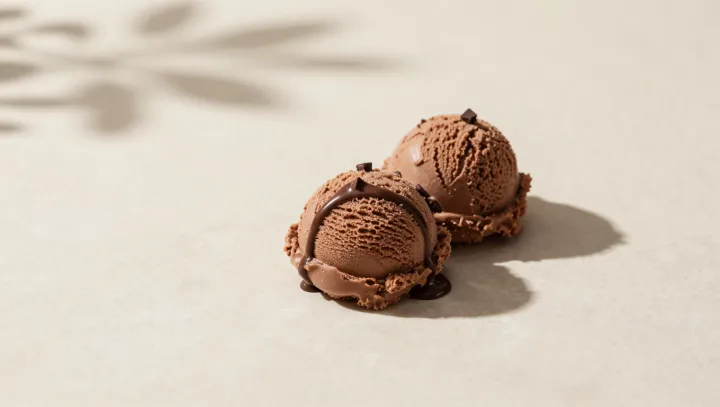
That soupy pool in the bowl is not a mistake. Melted chocolate ice cream is a sensory trap, turning a fixed sugar dose into a louder signal. The formula stays constant. Sucrose concentration does not rise, yet your brain insists it does.
The real driver is temperature, not recipe. As the mix warms, volatile aroma compounds escape more easily into the air, a basic consequence of increased vapor pressure and diffusion. Those cocoa and caramel notes rush into the retronasal olfactory system, where smell and taste are integrated into one combined judgment of sweetness and intensity.
Texture adds a second push. In its frozen state, high viscosity and ice crystals physically shield taste buds, slowing how fast sucrose molecules reach taste receptors. Once melted, that micro-architecture collapses. The liquid flows faster, mass transfer improves, and receptors in the gustatory epithelium are exposed to sugar and fat more uniformly and more quickly.
A third twist lies in contrast. Cold suppresses receptor sensitivity, so the same sucrose load feels muted when the matrix is firm and chilled. As the temperature climbs toward the comfort zone of oral thermoreceptors, signal strength from sweet receptors rises, and the added punch of cocoa aroma tricks perception into upgrading the entire experience.