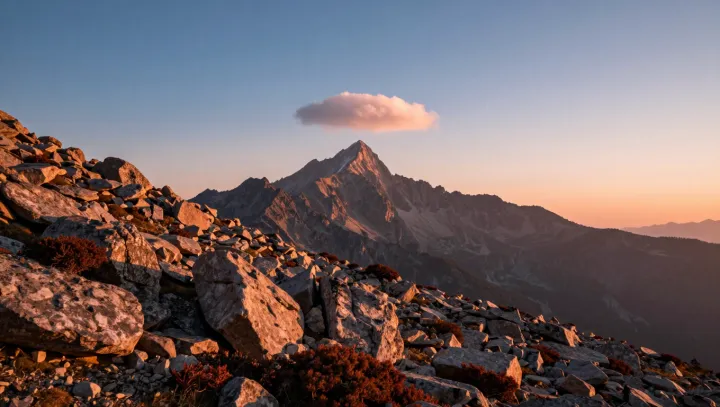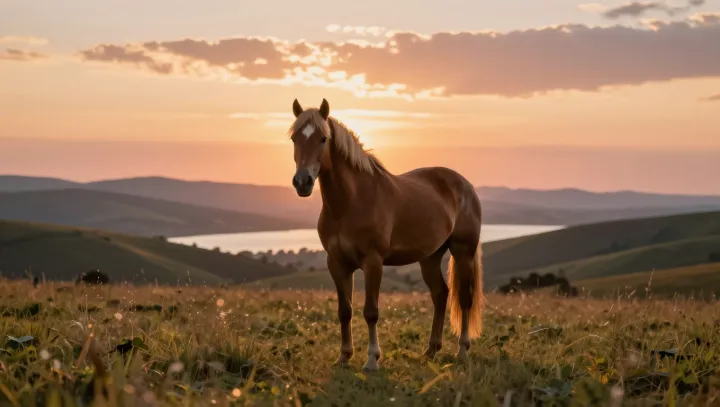
Harsh range does not rattle the right horses; it edits them. Over generations, mountain bloodlines have been filtered by thin forage, steep footing, and predators, selecting for low-reactivity nervous systems that waste little energy on panic. Startle easily, bolt often, and a horse burns glycogen it cannot quickly replace and risks injury on broken ground.
By contrast, many high-performance breeds have been sculpted for speed or expressive movement, not for all-day composure under unpredictable stressors. Their training regimes often amplify sympathetic arousal and fast-twitch muscle output, leaning on glycolytic metabolism and frequent human-managed recovery. On open range, that same physiology pushes them toward higher cortisol, faster muscle fatigue, and larger swings in blood glucose when feed is irregular.
Calmer mountain horses carry a different internal architecture. Parasympathetic tone tends to dominate, keeping heart rate and catecholamine release lower at rest and during routine threats. More oxidative muscle fibers and higher mitochondrial density support steady aerobic metabolism, so these horses can walk and climb for hours without large spikes in lactate or body temperature. Hooves harden, gut microbiota adapt to fibrous browse, and animals that cannot maintain weight or mental stability under those constraints simply do not contribute to the gene pool. What looks like stoicism on the skyline is, in practice, long-term selection for metabolic thrift and stress resilience.