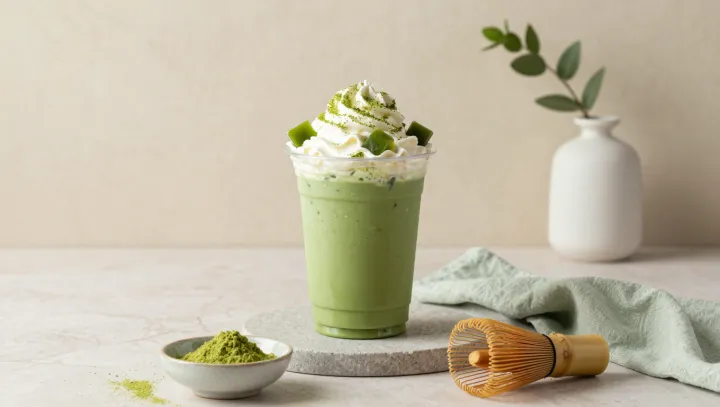
That pale green plastic cup on the counter can out-sugar a can of cola. Not by accident, but by design that leans on sensory blind spots. Cold temperature dulls the activation of taste receptors on the tongue, especially those tuned to sucrose, so manufacturers quietly raise the dose to hit the same perceived sweetness that a warmer drink would deliver with far less sugar.
More misleading still is the fat. Whipped cream and dairy fat alter viscosity and mouthfeel, spreading sugar through the drink and changing how it contacts taste buds, while the added richness recruits the brain’s reward circuitry so strongly that sweetness becomes background noise. Food scientists talk in terms of sensory masking and oro-sensory satiety; the texture and fat essentially jam the signal that would normally shout “this is very sweet.”
The final trick is thickness. A blended, creamy iced matcha flows more slowly, encourages larger sips, and prompts the brain to interpret the drink as a snack rather than a sugary beverage, even when the total grams of sugar surpass those in a standard soda. The label may say light. The sensory engineering is anything but.