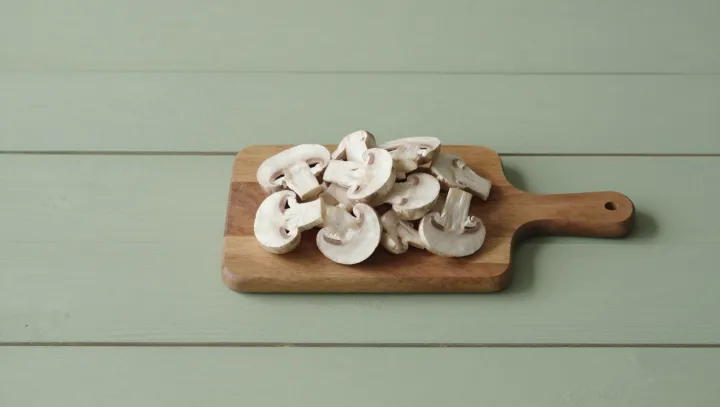
That innocent slice of mushroom on a barely warmed pizza is more biochemistry experiment than garnish. On the surface, it mimics lettuce. Inside, it behaves like shellfish. Fungal cell walls are packed with chitin, the same structural polysaccharide that stiffens insect exoskeletons and shrimp shells, and human digestive enzymes handle chitin poorly when it remains intact. Light sautéing softens flavor, not structure, leaving much of that polymer network and its embedded proteins mechanically resistant in the gut, where they can provoke gas, cramping, and a sense of heaviness.
More surprising is how heat quietly rewrites this script. With sustained high temperature, chitin microfibrils begin to loosen, protein tertiary structure undergoes thermal denaturation, and complex polysaccharides shift from rigid scaffolds into forms that digestive enzymes and gut microbes can process with less friction. Some low‑molecular‑weight compounds associated with irritation or mild intolerance are reduced or volatilized as well, trimming the antigenic load that reaches the intestinal mucosa. The same mushroom, taken just a few minutes further in the pan, becomes less a structural challenge and more a manageable bundle of amino acids, minerals, and partially modified fiber, which is why the discomfort so often fades once the heat has been allowed to fully do its work.