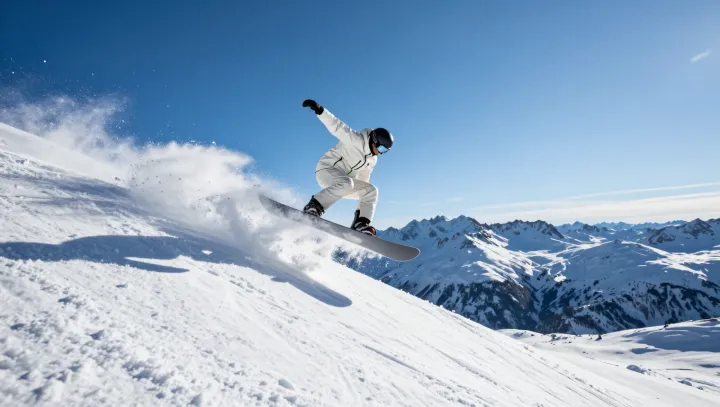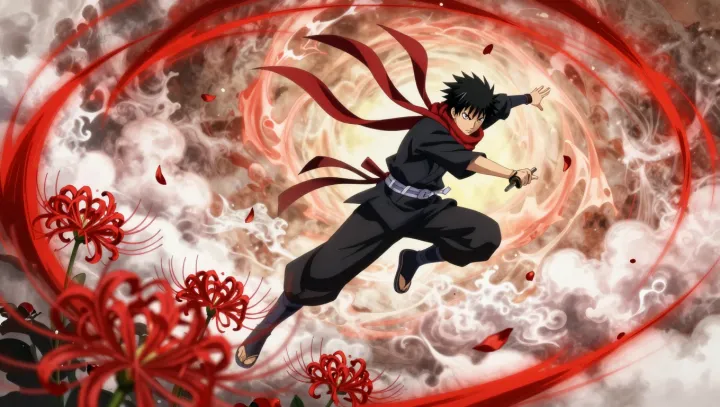
Slow motion in a fight is not a miracle; it is a trained distortion. Under extreme threat, real martial artists are taught to hack arousal so the brain’s clock, built from sensory sampling and prediction, starts throwing up more “frames” per instant.
The harsh truth coaches repeat is that calm is a skill, not a trait. Breath is the first lever: boxed breathing and extended exhales dampen amygdala firing and keep heart rate below the range where prefrontal cortex control collapses. Over that calmer baseline, fighters drill reaction-time ladders, focus mitt patterns, and visual tracking tasks so the dorsal attention network learns to ignore noise and lock on to a single cue, which reduces panic and makes motion look slower.
Yet the real shift comes from stress inoculation. Live sparring, scenario training with protective gear, and tightly supervised force-on-force drills push adrenaline to near-chaos while insisting on clean technique. Repeated exposure reshapes procedural memory in the basal ganglia, so decisions compress into automatic motor programs. To the outside eye it looks like instinct. Inside the fighter’s head it feels like extra room to choose.