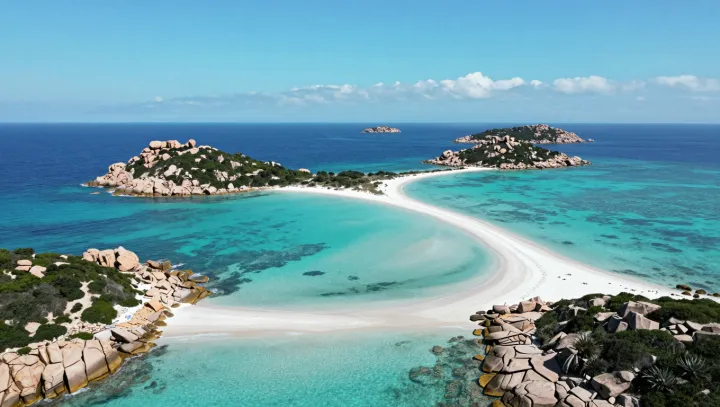
The verdict is written in the shallows: turquoise water is less a pigment than an optical arrangement. Where suspended sediment is scarce, sunlight penetrates farther through the water column, strikes pale sand or carbonate reef, and returns upward weighted toward blue and green wavelengths. The surface merely edits the signal.
That apparent purity is a fragile advantage, not a postcard trick. Water absorbs red, orange, and yellow light more readily than blue, while low turbidity permits photons to reach the seafloor before optical attenuation weakens them. Depth matters too. In clear, shallow lagoons, benthic albedo from sand and reef can brighten the color seen from above.
The color therefore signals conditions, not immunity. River runoff, shoreline erosion, storms, and algal growth add particles that scatter light across the spectrum and hide the reflective bottom. A reef can remain biologically stressed while the water still looks inviting. Yet where the sea stays clear, light keeps finding its pale floor, then rises wearing a color that seems almost invented.