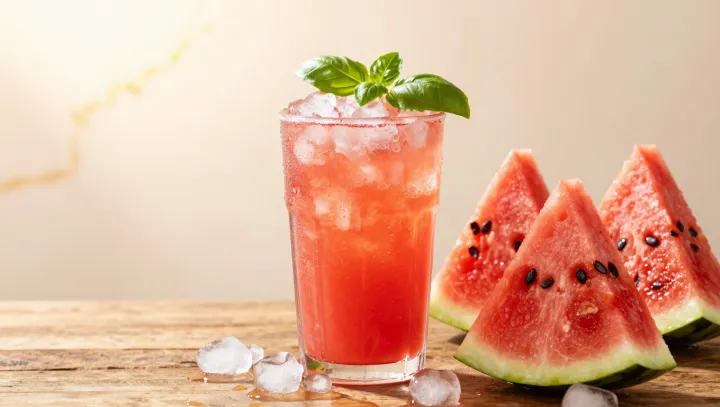
The glass performs a nutritional sleight of hand: fruit water and sugars remain, while much of the pulp is left in the sieve or bin. Sweetness arrives fast. Not because juicing creates sugar, but because it ruptures cell walls and strips away insoluble fiber, which once gave each bite bulk and resistance.
That discarded pulp is no minor loss. It carries insoluble fiber and, depending on the method, part of the soluble fiber known as pectin; both help slow gastric emptying and add volume without adding calories. The mouth notices absence. With less texture to chew and less material to dilute the liquid, sugar reaches the palate in a cleaner, more immediate stream.
The larger illusion concerns quantity. A whole fruit imposes friction: peeling, chewing, pauses, fullness. Juice removes those brakes. A glass can hold the extracted liquid from several pieces of fruit, yet it does not ask the stomach to process their original structure. Sugar is not necessarily higher per fruit. Its delivery is simply less restrained, leaving the bright liquid to resemble abundance while the pulp sits elsewhere, silent and spent.